Simit Supplier Guide: How to Choose the Right Partner for Your European Business
Choosing the right simit supplier is the single most important decision a European retail buyer, HoReCa procurement manager, or private label brand owner will make when entering this category. The product itself — a sesame-coated, molasses-glazed Turkish bread ring — is unforgiving: quality is immediately visible to the eye, immediately detectable on the palate, and immediately obvious in the operational performance of a hotel kitchen or retail fixture.
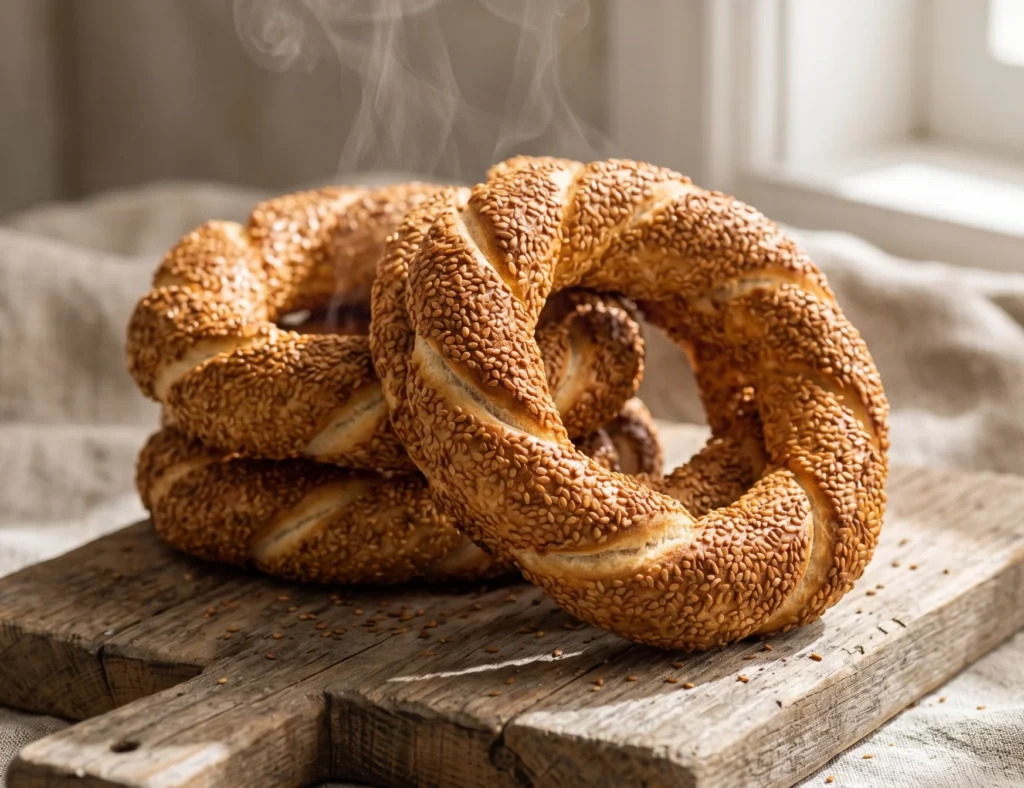
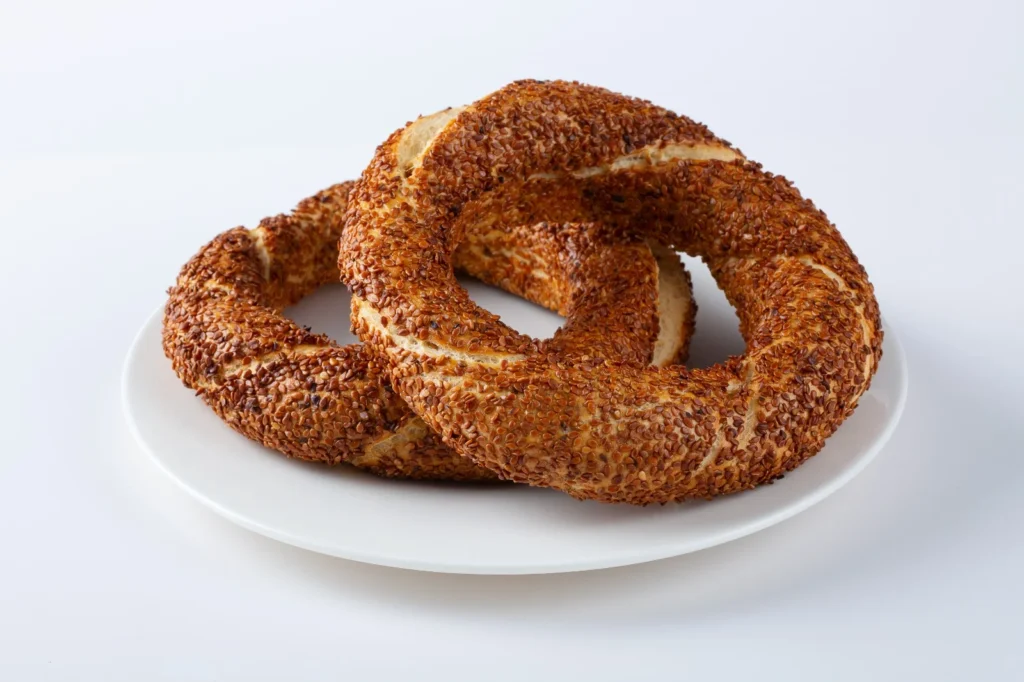
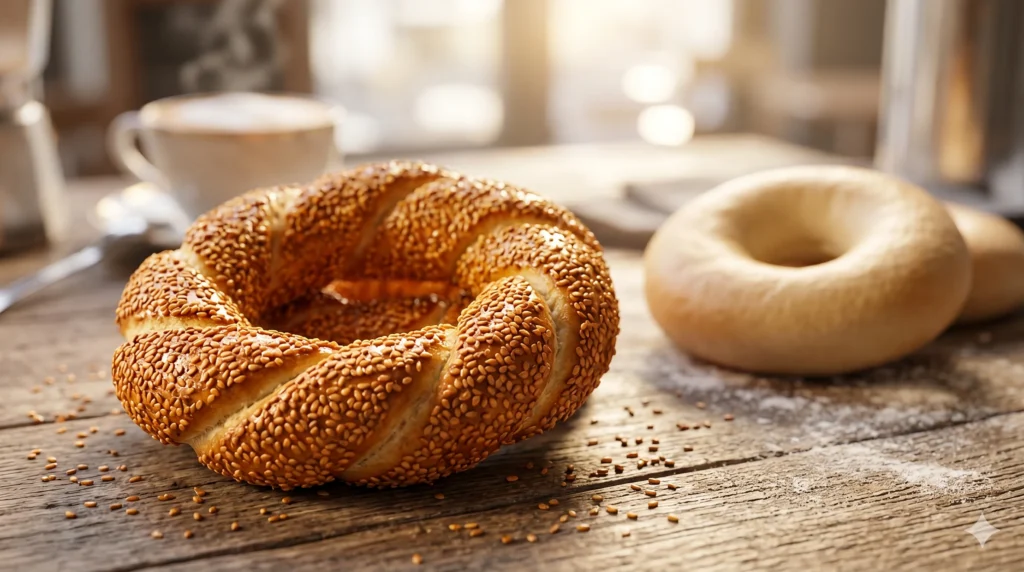
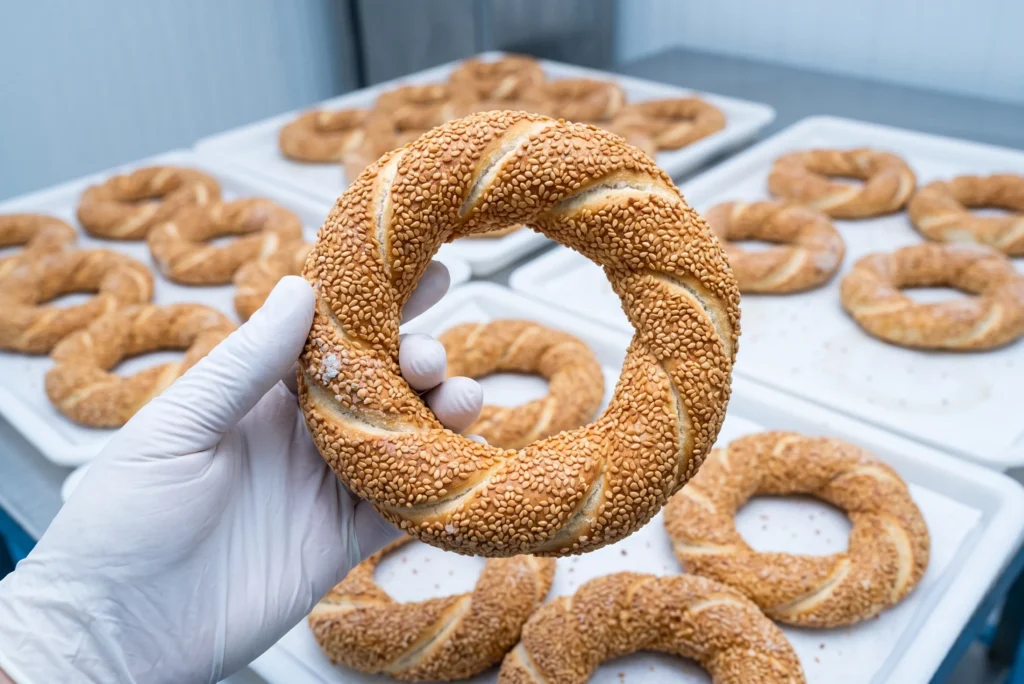
A simit supplier who delivers correctly produces a ring that is deeply golden, uniformly coated in toasted sesame seeds, and consistently soft inside with a crisp exterior after baking. A simit supplier who does not delivers a product that is pale, patchy, and doughy — a product that fails on shelf, fails on the buffet, and fails the consumer in a way that undermines the entire category before it has had the chance to establish itself.
This guide gives retail buyers, HoReCa procurement teams, wholesale distributors, and private label brand owners the complete framework for evaluating, selecting, and building a long-term relationship with a simit supplier in Europe.
Why Choosing the Right Simit Supplier Matters
The simit category in Europe is still developing. Unlike commodity bakery products — where supplier switching is relatively low-risk because product parity is high — simit remains a category where quality differences between suppliers are significant and immediately apparent to anyone who bakes the product side by side.
That development stage creates both an opportunity and a risk. The opportunity: buyers who establish a relationship with the right simit supplier now will build a product offering that is genuinely differentiated, commercially sticky, and difficult for competitors to replicate with equal quality at short notice. The risk: buyers who enter the category with the wrong simit supplier — poor sesame coverage, weak molasses glaze, inconsistent crumb texture — may conclude that the category does not perform, when in fact it is the supplier, not the product, that has failed.
Getting the simit supplier decision right from the outset determines whether the category delivers on its commercial promise or disappoints before it has had a fair trial. For retail category managers, this means investing time in supplier evaluation before the range goes live. For HoReCa procurement teams, it means requesting baked samples and testing them in your own oven before committing to a supply agreement. For private label brand owners, it means verifying production capability, certification status, and track record before a single unit of packaging is designed.
The commercial upside of the right simit supplier relationship is significant. Once a quality product is established in a retail range or food service programme, reorder behaviour is strong — consumers and operators return to it. The margin contribution is favourable. And the cultural authenticity of the product creates a brand story that supports premium positioning in a way that few frozen bakery products can.
What Makes a Reliable Simit Supplier in Europe
A reliable simit supplier in Europe can be evaluated across six criteria. Each one is verifiable before you place your first order — and each one is a meaningful indicator of whether the supplier can sustain a commercial relationship rather than simply win a first contract.
Authentic Production Method
The most fundamental criterion for any simit supplier is whether the product is produced to the authentic Turkish recipe and method. This is not a subjective quality standard — it is a verifiable production process.
Authentic simit production involves three non-negotiable steps: the dough rings are dipped in a solution of grape molasses diluted with water before coating, the sesame seeds are applied to cover every surface of the ring uniformly, and the product is baked at sufficient heat to caramelise the molasses and toast the sesame seeds to a deep golden colour. A simit supplier who skips or shortcuts any of these steps produces a product that is visually and flavourally inferior — and that inferiority will be apparent to any buyer who tastes the product alongside an authentically produced ring.
Ask any simit supplier directly: what is your molasses solution specification, how is sesame coating applied, and what is the target crust colour after baking? A supplier with a genuine authentic production process will answer these questions precisely. A supplier who cannot is not producing to authentic standard.
For frozen supply specifically, the partial-bake specification matters. A reliable simit supplier bakes to approximately 80% completion before blast-freezing, which locks in the sesame coating and the dough structure and ensures that the final bake in the buyer’s oven produces a result that is indistinguishable from fresh. Ask for the partial-bake percentage and the recommended finishing temperature and time — and test the output in your own oven before approving the product.
EU Food Safety Certification
Any simit supplier serving European retail or HoReCa channels must hold current, valid food safety certification. HACCP compliance is the minimum baseline. For retail supply to major European chains — including the kinds of accounts that Lezza Foods supplies — BRC Global Standard for Food Safety or IFS Food certification is the industry prerequisite.
Do not accept verbal confirmation of certification status. Ask for the current certificate with the issue date and scope of certification. Verify that the scope covers frozen bakery production specifically, not just a generic food manufacturing category. And check the expiry date — a certificate that lapsed six months ago is not a current certification.
For allergen compliance specifically, ask for a current product specification sheet that includes a full ingredient declaration, allergen statement, and nutritional values per 100g. Simit contains two regulated allergens under EU food labelling law: gluten (wheat) and sesame. Both must be declared accurately. The BRC food safety standard sets out the requirements for allergen management in food production environments — a simit supplier who holds current BRC certification has been independently audited against these requirements.
Consistent Batch Quality
For single-site operators, occasional batch variability is an operational inconvenience. For multi-site operators — hotel groups, café chains, retail chains with multiple distribution points — inconsistent batch quality from a simit supplier is a serious commercial problem.
A product that performs differently from one carton to the next creates complaints at site level, erodes kitchen team confidence, and forces procurement teams into reactive problem-solving instead of category development. Consistent batch quality from a simit supplier is not a premium requirement — it is a basic commercial expectation that must be verified before a supply agreement is signed.
Request samples from at least two separate production runs before approving a simit supplier for ongoing supply. Bake both samples to the same specification and compare the results across the three quality indicators: sesame coverage uniformity, crust colour after baking, and crumb texture. If the results differ materially between batches, the supplier’s production process is not adequately controlled.
Cold Chain Infrastructure
Simit is a frozen product. Its quality is entirely dependent on an unbroken cold chain from the production facility to your freezer. A temperature excursion during transit — particularly during summer months in warmer European climates — can compromise the sesame coating adhesion and the structural integrity of the dough in ways that only become visible when the product is baked.
A simit supplier based in continental Europe offers a structural cold chain advantage over a supplier shipping from outside the EU. Shorter transit distances mean shorter exposure time in the supply chain, simpler logistics management, and lower freight costs. EU-based production also eliminates customs complexity and the documentation burden that comes with importing frozen food from non-EU countries — a burden that has increased significantly since 2021 for UK-based buyers and that creates ongoing lead time uncertainty for any European buyer sourcing from outside the bloc.
Ask any simit supplier how their product is packed for transit — insulated packaging, dry ice protocols, temperature logging during delivery — and what their cold chain monitoring process is between production and delivery. A supplier who cannot answer these questions in detail is not managing their cold chain adequately.
Pack Format and MOQ Flexibility
A simit supplier who can only supply in one pack format is not commercially equipped to serve the European market. Different channels have different format requirements — retail buyers need single-serve and multipack formats, HoReCa buyers need bulk cartons, and private label buyers need the ability to specify packaging to their own requirements.
Ask any simit supplier what formats they currently produce, what their minimum order quantities are for each format, and how long it takes to set up a new private label pack format from specification to first delivery. A simit supplier with genuine commercial capability will have clear, documented answers to all three questions.
Private Label Capability
For retail buyers and brand owners evaluating a simit supplier for own-label development, private label capability is not an afterthought — it is a core supplier requirement. Ask specifically how many active private label programmes the supplier currently runs, in which markets, and for what types of clients.
A simit supplier with genuine private label capability will have documented processes for packaging specification review, labelling compliance across different EU markets, and production scheduling that accommodates private label runs alongside standard wholesale. A supplier who describes private label as something they “can do” without being able to demonstrate existing clients and active programmes is a supplier whose private label capability exists on paper only.
Questions to Ask a Simit Supplier Before Placing Your First Order
Beyond the evaluation criteria above, there is a set of specific questions that every buyer should put to any simit supplier before committing to a supply agreement. The answers to these questions reveal as much about a supplier’s commercial maturity as any product sample.
On Product and Production
What is your partial-bake percentage and your recommended finishing specification? A reliable simit supplier will give you an exact partial-bake completion percentage — typically 80% — and a precise finishing specification: oven temperature in Celsius, baking time in minutes, and whether the product should go directly from frozen or be defrosted first. Vague answers here indicate a supplier who has not tested their product rigorously across different oven types.
Can you provide samples from two separate production runs? Any simit supplier confident in their batch consistency will agree to this without hesitation. If the request is met with resistance or delay, the supplier is not confident in their consistency.
What is your sesame coating process and how do you ensure uniform coverage? The answer should describe either a mechanical coating process with documented coverage specifications or a manual process with quality control checkpoints. A supplier who cannot describe their coating process in operational terms is not producing to a controlled standard.
On Certification and Compliance
Which food safety certifications do you currently hold, and can you provide the current certificate? The answer must include the certification body, the scope, and the expiry date. Current BRC or IFS certification is the standard for European retail supply.
Can you provide a full product specification sheet including allergen declaration for each SKU? This should be available immediately. A simit supplier who needs time to prepare a product specification sheet does not have their compliance documentation in order.
How do you manage allergen cross-contamination in your production facility? Simit is produced with sesame — a regulated allergen. Understanding how a simit supplier manages allergen risk in their facility is a compliance requirement for any buyer serving consumers with allergen sensitivities.
On Logistics and Commercial Terms
What are your minimum order quantities for each pack format, and do these vary by delivery region? MOQs vary significantly between suppliers. Understanding them before you engage commercially avoids situations where a trial order cannot be placed at the scale your business requires.
What is your standard lead time for repeat orders, and how does this vary by season? Frozen bakery supply chains can experience seasonal pressure — particularly around major European food holidays. A simit supplier who cannot give a clear lead time range for both standard and peak periods is not managing their supply chain transparently.
Do you supply through distributors, and if so, which distributors are active in my region? A simit supplier with established distributor relationships in your market may be able to supply through your existing wholesale channels — reducing administrative complexity and potentially improving lead times and minimum order viability.
Simit Supplier Options in Europe — What to Expect
The European simit supplier landscape in 2026 is still relatively narrow. Unlike established frozen bakery categories — baguettes, croissants, sourdough — where dozens of suppliers compete at commercial scale, the number of simit supplier operations capable of serving European retail and HoReCa at genuine commercial volume is small.
This matters for buyers. In a narrow supplier landscape, the difference between the best and worst simit supplier options is far greater than in commodity frozen bakery categories. Buyers who invest time in supplier evaluation will find a meaningful quality gap between producers — and the commercial consequences of selecting the wrong supplier are correspondingly significant.
The primary distinction buyers will encounter is between EU-based simit supplier operations and suppliers shipping from Turkey. Both can produce authentic quality products. The operational difference lies in the supply chain: an EU-based simit supplier offers shorter lead times, simpler cold chain logistics, no customs complexity, and easier resolution of supply issues. For buyers building a long-term supply relationship — particularly in retail, where supply chain disruptions affect shelf availability and on-shelf continuity — EU-based production and distribution infrastructure is a meaningful commercial advantage.
The secondary distinction is between specialist simit supplier operations and generic frozen bakery manufacturers who produce simit as one of many products in a broad range. Specialist producers bring deeper category knowledge, more rigorous product development, and a track record in the specific quality standards that authentic simit requires. Generic frozen bakery producers may offer simit as a range extension without the same depth of production expertise — a risk that becomes apparent in batch quality, sesame coating consistency, and crust colour performance.
According to European frozen bakery market data, the European frozen bakery sector is valued at €173.5 billion in 2026 with sustained annual growth. Within this broader market, international and premium frozen bakery formats — the category in which simit sits — are among the fastest-growing subcategories, driven by consumer premiumisation and demand for authentic international products.
Simit Supplier for Retail — Specific Requirements
Retail buyers evaluating a simit supplier have requirements that go beyond product quality and cold chain. The retail supply context adds a layer of compliance, logistics, and category management complexity that not every simit supplier is equipped to handle.
Labelling compliance is the first retail-specific requirement. Every SKU supplied for retail sale must carry a label that complies with EU food information regulations — including mandatory allergen declaration for sesame and gluten, nutritional information per 100g and per portion, net weight declaration, country of origin, and storage and preparation instructions. A simit supplier who produces for retail must be able to supply compliant labelling for every market where the buyer sells the product — and must be able to update labelling when regulations change.
Barcode and retail packaging specification must meet the buyer’s specific requirements. Major European retailers have precise requirements for barcode format, placement, and legibility. A simit supplier who has not previously supplied European retail chains may not have experience with these requirements — and the cost of non-compliance at point of listing is borne by the buyer, not the supplier.
Rate of sale support is a practical retail requirement that separates experienced simit supplier operations from inexperienced ones. Retail buyers launching a new simit range will need category data, product photography, and on-shelf communication materials. A simit supplier with a genuine retail track record will have these assets available and will understand the category management conversation that retail buyers need to have internally to justify a new range listing.
For buyers considering own-label development, the simit wholesale guide on this blog covers the private label opportunity in detail — including how to structure a private label simit brief and what to expect from a supplier who has active own-label programmes.
Simit Supplier for HoReCa — Specific Requirements
For HoReCa procurement teams, the simit supplier requirements centre on operational reliability rather than compliance complexity. The questions that matter most in a food service supply relationship are volume, consistency, and responsiveness.
Volume flexibility is a defining requirement for HoReCa supply. Hotel occupancy fluctuates seasonally. Café traffic varies by day of week. Event catering requires precise quantities for specific dates. A simit supplier for HoReCa must be able to scale supply up and down without imposing rigid minimum order requirements that force operators to hold excess frozen inventory or, worse, run out of product during peak service.
Batch consistency across sites is non-negotiable for multi-site HoReCa operators. A hotel group operating breakfast across twenty properties needs every simit supplier delivery to perform identically in every kitchen. A café chain with outlets across three countries needs the same result from every carton, regardless of which distribution point it was supplied from. A simit supplier who can demonstrate documented batch quality consistency — not just claim it — is the only supplier appropriate for multi-site HoReCa supply.
Baking specification accuracy matters operationally in a way that retail buyers rarely experience. A kitchen team that receives a simit supplier’s product without a clear, accurate baking specification will either overbake or underbake the product — producing a result that does not represent the product at its best and that creates a poor first impression with guests. A reliable simit supplier provides a precise baking specification sheet with every product delivery, and updates it if their product specification changes.
Lezza Foods — Your Simit Supplier in Europe
Lezza Foods BV has been operating as a specialist simit supplier to European retail, HoReCa, and private label customers since 2013. Based in Mechelen, Belgium, with active supply across 20+ European countries and more than 20 private label brands in current production, Lezza Foods brings over a decade of simit supplier experience to every commercial relationship.
Every product in the Lezza Foods range is produced to the authentic Turkish recipe: molasses-glazed, uniformly sesame-coated, partially baked to 80%, and blast-frozen to preserve quality through the supply chain. The production process is engineered for the demands of European commercial supply — consistent ring size, consistent sesame coverage, consistent crust colour after baking, and consistent crumb texture across every carton in every delivery, to every market.
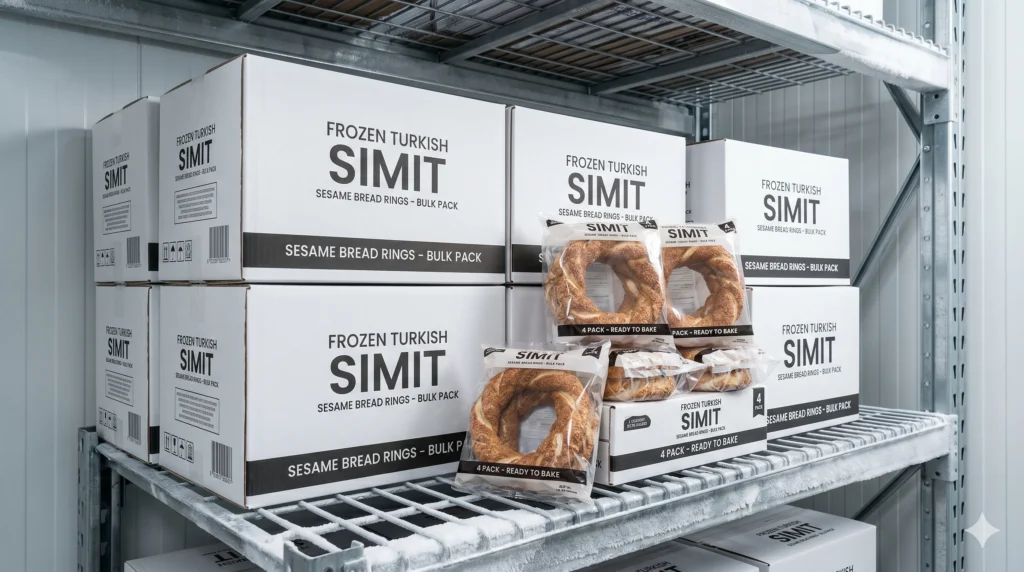
As a simit supplier, Lezza Foods currently offers four SKUs covering classic and sweet formats in sizes suited to retail and HoReCa channels.Lezza Foods supplies simit supplier products in a 125g single-serve classic format — 80 pieces per carton — designed for supermarket retail, convenience, and impulse purchase occasions. This is the core entry-point SKU for retail category managers introducing simit to their frozen bakery range.
The simit supplier 4×10⁵g retail multipack puts four classic rings per unit, pre-baked to 80%, for the weekly grocery shopping occasion. This format drives repeat purchase and basket value and is particularly effective as a private label development opportunity for retailers with own-label frozen bakery programmes.
For operators and retailers seeking a sweeter simit format, Lezza Foods supplies the simit supplier sweet simit in a 135g single-serve ring — ideal for café settings, premium retail, and afternoon service occasions. The simit supplier sweet 160g ring offers a larger portion format for premium plated presentations and food service settings where portion generosity supports the commercial positioning.
All four SKUs are available for private label. As a simit supplier with an active private label track record across 20+ brands, Lezza Foods offers full flexibility on packaging specification, multi-market labelling compliance, and production scheduling for private label runs.
Frequently Asked Questions: Simit Supplier
What should I look for in a simit supplier in Europe?
A reliable simit supplier in Europe should demonstrate authentic production method, current EU food safety certification (BRC or IFS for retail supply), documented batch quality consistency, EU-based cold chain infrastructure, pack format flexibility across retail and HoReCa requirements, and a proven private label track record. Request baked samples from at least two separate production runs before approving any simit supplier for ongoing commercial supply.
Does a simit supplier need BRC certification for retail supply in Europe?
Yes. BRC Global Standard for Food Safety certification is the standard prerequisite for frozen bakery supply to major European retail chains. Some retailers also accept IFS Food certification. HACCP compliance alone is insufficient for retail supply to most major European accounts. Always request the current certificate — not verbal confirmation — and verify that the scope covers frozen bakery production.
Can a simit supplier produce private label for multiple European markets?
A simit supplier with genuine private label capability can produce own-label simit for buyers selling into multiple EU markets — but this requires the supplier to manage labelling compliance for each market’s language and regulatory requirements. Ask specifically how many active multi-market private label programmes the supplier currently runs, and request evidence of existing clients before assuming this capability exists.
Where can I find a simit supplier in Europe?
The most commercially reliable simit supplier options in Europe are EU-based frozen bakery manufacturers who specialise in authentic Turkish and Mediterranean bakery products. EU-based supply offers shorter lead times, simpler cold chain logistics, and no customs complexity compared to sourcing from outside the bloc. Lezza Foods BV, headquartered in Mechelen, Belgium, is one of Europe’s established simit supplier specialists, supplying retail, HoReCa, and private label customers across 20+ countries since 2013.
What is the difference between a simit supplier and a general frozen bakery supplier?
A specialist simit supplier brings category-specific production expertise, rigorous quality standards for the unique characteristics of simit — molasses glaze, sesame coating density, partial-bake specification — and a commercial track record in the specific channels that buy simit at scale. A general frozen bakery supplier may offer simit as one product in a broad range without the same depth of production expertise, quality documentation, or category knowledge — increasing the risk of batch inconsistency, authenticity shortfalls, and commercial underperformance.
How do I evaluate a simit supplier’s product quality?
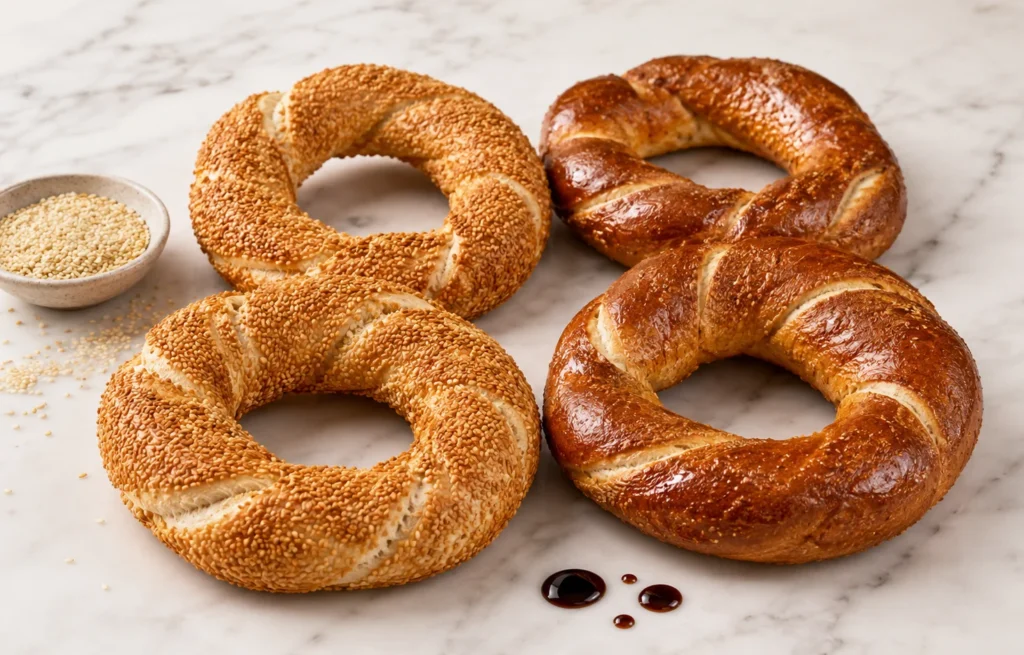
Request baked samples from at least two separate production runs and finish them in your own oven at the supplier’s stated specification. Evaluate three things: sesame coverage uniformity across the entire ring surface, crust colour after baking (should be deep golden-brown, not pale), and crumb texture (soft and slightly chewy inside with a clear contrast to the crisp exterior). A simit supplier who cannot provide samples from multiple production runs, or whose samples vary materially between runs, does not have adequately controlled production quality.
Ready to Find Your Simit Supplier?
The right simit supplier relationship delivers a product that performs commercially from day one — on shelf, on the buffet, and on the menu. It delivers consistent batch quality across every delivery, every market, and every season. And it delivers the private label capability and logistics infrastructure that a long-term category commitment requires.
Lezza Foods has been operating as a trusted simit supplier across Europe since 2013. The range covers classic and sweet formats in retail and HoReCa pack sizes, with full private label capability and active supply across 20+ European countries.
Browse the full simit supplier range on the Lezza Foods website, download the simit supplier catalogue for complete product specifications and carton data, or request a simit supplier quote directly for wholesale pricing, minimum order quantities, and private label enquiry.