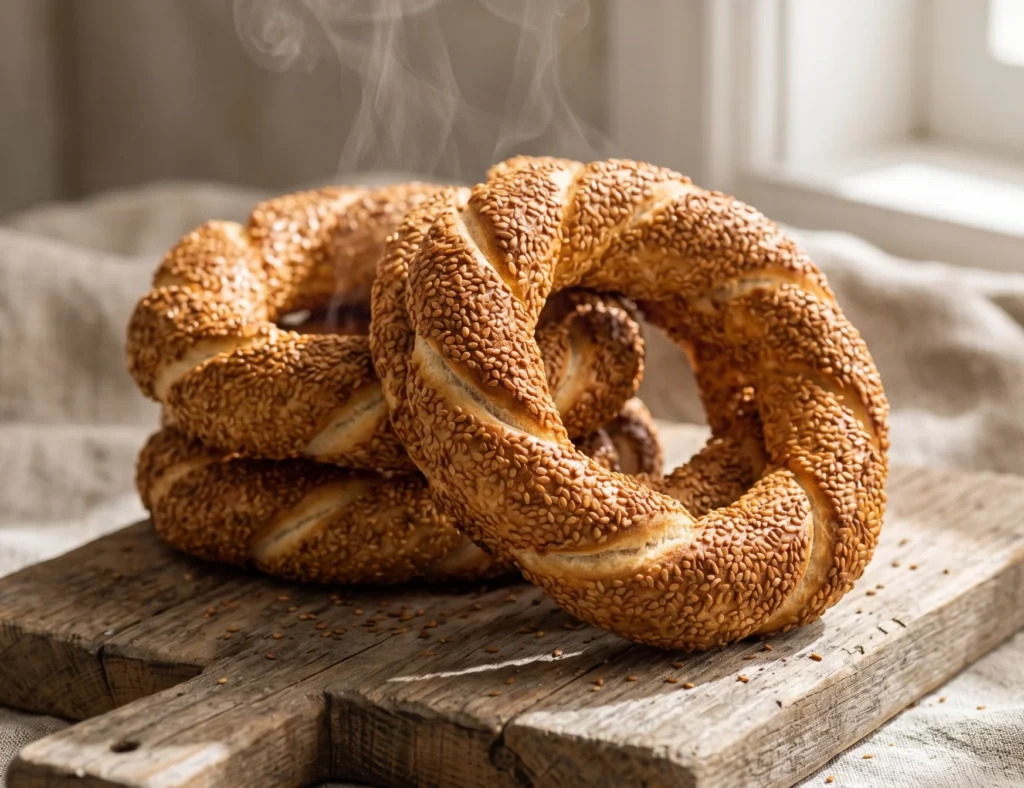
Simit Retail: How to Build a Winning Range for European Supermarkets
Simit retail is one of the most commercially compelling range additions available to European frozen bakery category managers right now. The product has authentic provenance, a distinctive visual identity, a flavour profile that requires no consumer education to appreciate, and a frozen-to-bake format that maps directly onto consumption occasions already established by the best-performing categories in the European frozen bakery aisle.
Yet simit retail in Europe remains underdeveloped. The number of major European retail chains that carry simit as a standing range item is still small — which means the buyers who move now are entering a category with proven demand, minimal shelf competition, and a genuine first-mover advantage in most European markets.
This guide is written for retail category managers, buying teams, and private label brand owners who want to understand the full commercial picture: where simit retail fits on shelf, which formats drive which occasions, how to build the internal business case, what to look for in a simit retail supplier, and how to develop a private label programme around one of the most differentiated frozen bakery products in Europe.
Why Simit Retail Is the Next Frozen Bakery Opportunity
The frozen bakery category in European retail has been growing consistently for over a decade, driven by consumer demand for convenience, product quality improvements, and the mainstream adoption of international formats that were once considered niche or premium. Frozen baguettes, croissants, sourdough rolls, and ciabatta have all followed the same trajectory — from specialist retail to mainstream supermarket freezers to private label programmes at major chains.
Simit retail is on the same trajectory, and the evidence of mainstream arrival is already visible. In the United States, Trader Joe’s — one of the most influential trend-setting retailers in the American grocery market — launched frozen simit in late 2025 and has reported strong consumer response, confirming that the product performs in mainstream retail environments outside its home market. That US launch is a meaningful data point for European retail buyers: it demonstrates that simit retail can work in a mainstream supermarket format, not just in specialist or ethnic food channels.
In Europe, the structural conditions for simit retail growth are even stronger. The Turkish diaspora — numbering several million across Germany, the Netherlands, Belgium, France, and Austria — provides an established consumer demand floor that most new frozen bakery products do not have. The growing mainstream European consumer appetite for Mediterranean and Middle Eastern food products provides the growth ceiling. And the category infrastructure — frozen bakery distribution, frozen-to-bake consumer behaviour, international food awareness — is already in place.
The private label dimension adds further commercial logic. According to simit retail market data from the European private label sector, private label now accounts for 40% of FMCG sales by value across the six major European markets — France, Germany, Italy, the Netherlands, Spain, and the UK — representing €291 billion in annual revenue and growing at +3.8% year on year. In a private label market of this scale, a product as visually distinctive and culturally credible as simit retail is a natural own-brand development opportunity for any retailer with an active frozen bakery private label programme.
Understanding the Simit Retail Consumer
Effective simit retail range planning starts with understanding who is buying the product and why. The European simit retail consumer in 2026 is not a single profile — it is a layered audience with different purchase motivations, different usage occasions, and different price sensitivities, all of which influence format selection, shelf placement, and on-pack communication.
The Diaspora Consumer
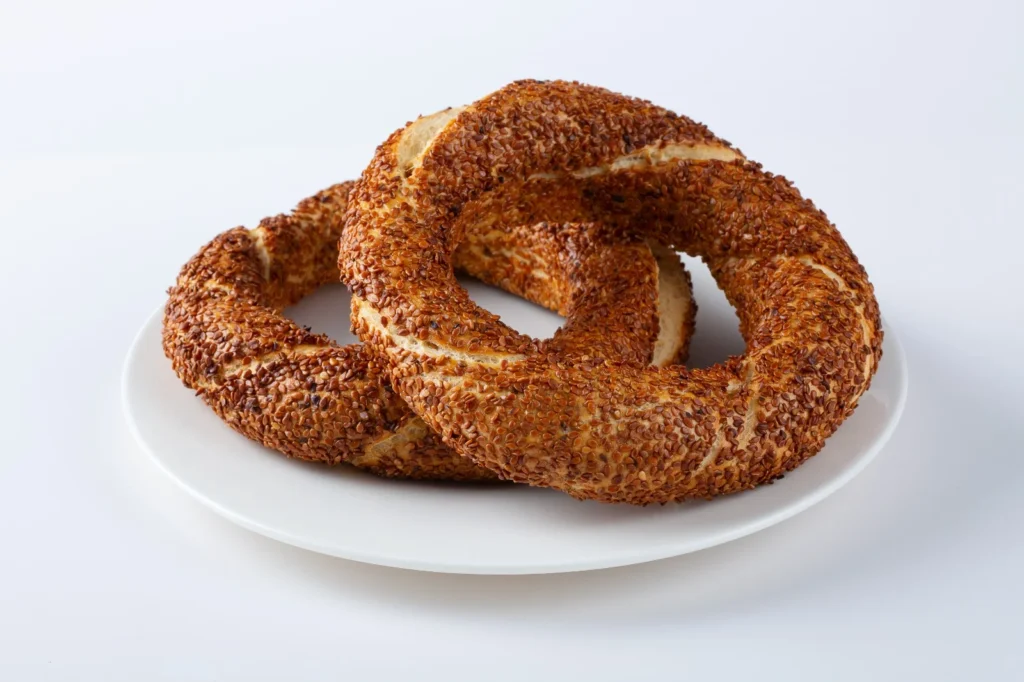
The established simit retail consumer in Europe is the Turkish, Greek, Balkan, and broader Middle Eastern diaspora community. For these consumers, simit retail is not a discovery — it is a regular purchase, a familiar product with deep cultural and emotional associations. They know what authentic simit looks like, how it should taste, and how it should perform after baking. They will evaluate a simit retail product against a quality benchmark formed by years of eating it fresh from specialist bakeries.
This consumer segment is valuable precisely because of their quality expectations. A diaspora consumer who finds a simit retail product that meets their authenticity standard will become a highly loyal, high-frequency buyer. One who is disappointed by an underperforming product will not return. For category managers building a simit retail range, this means product quality is non-negotiable — the established consumer base that provides commercial stability will only sustain if the product is right.
The Mainstream Premium Consumer
The emerging simit retail consumer is the broader European premium food shopper — the consumer who regularly buys artisan bread, who shops the world foods aisle deliberately, who follows food content on social media, and who is actively interested in authentic international food products. This consumer has encountered simit through Turkish restaurant brunches, through travel, or through the social media content around Turkish breakfast culture that has generated millions of views across European markets.
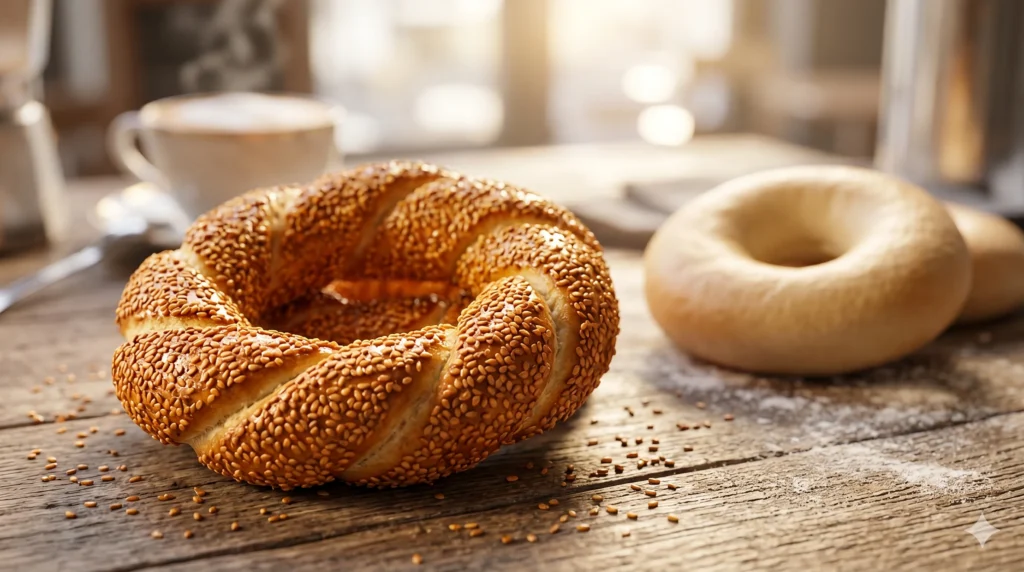
For this consumer, simit retail represents a premium discovery — something genuinely different from the standard frozen bakery range. The purchase motivation is experiential and aspirational: they want to recreate a Turkish breakfast at home, or they want to offer their guests something unexpected. On-pack communication that tells the authentic origin story, explains the molasses and sesame preparation method, and provides serving suggestions is essential to convert this consumer from curious browser to committed buyer.
The Family and Value Consumer
The multipack simit retail format — four rings per pack — serves a third consumer segment: families who have trialled single-serve simit and want to incorporate it into their regular breakfast rotation. For this consumer, the purchase decision is driven by value per unit, convenience, and repeat experience rather than discovery. Price point, shelf placement in a convenient location, and consistent product quality on every bake are the key conversion factors.
Simit Retail Positioning — Where Does It Fit on Shelf?
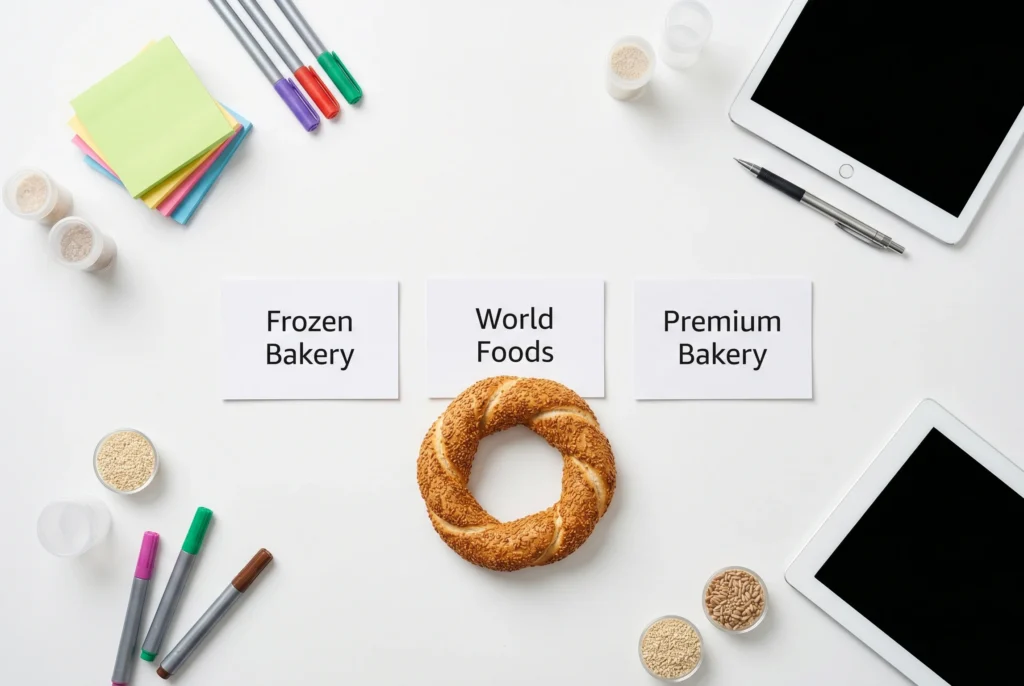
One of the most important decisions in simit retail range planning is shelf placement. The product can credibly occupy three distinct positions in a European supermarket, each serving a different consumer segment and driving different rate-of-sale dynamics. Understanding these positions — and which one is right for a specific retail format — is fundamental to building a simit retail range that performs commercially from the first week.
Frozen Bakery Aisle
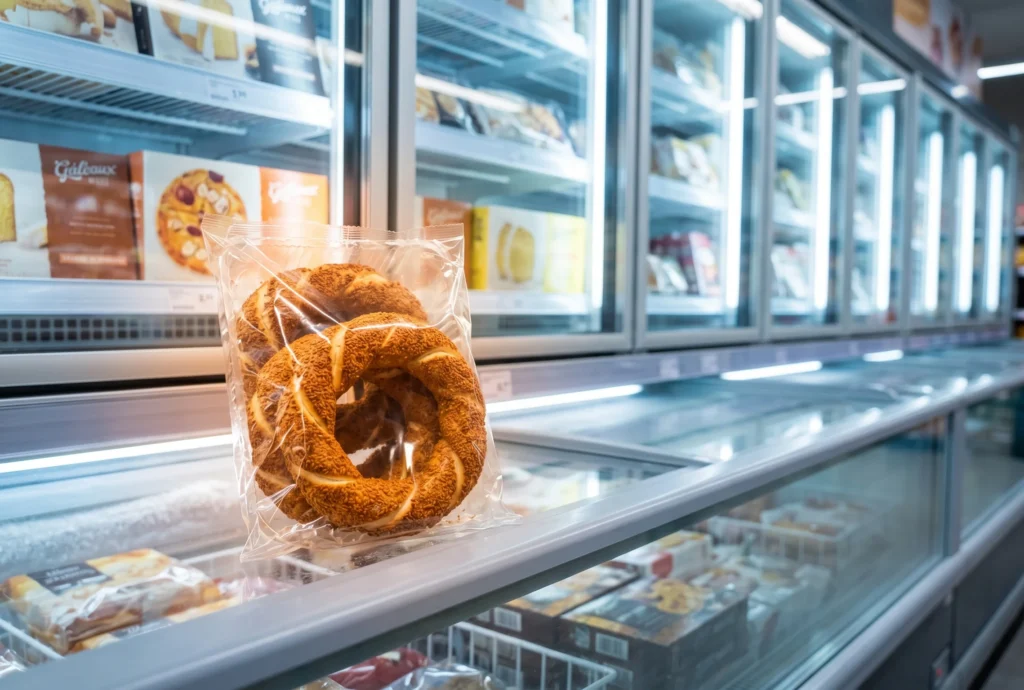
The primary simit retail position in most European supermarkets is the frozen bakery aisle, alongside part-baked baguettes, frozen croissants, and artisan rolls. This position maximises trial from consumers already shopping the category with a bakery purchase intent, leverages the established frozen-to-bake consumption behaviour that requires no consumer education, and places simit retail in the context of other premium and international baked goods.
In the frozen bakery aisle, simit retail performs best when positioned as a distinct subcategory rather than placed between standard bread rolls and baguettes. A dedicated block of two or more simit retail facings — ideally at eye level — with clear shelf labelling that identifies the product as “Turkish sesame bread” or “authentic simit” creates the visual stop that drives trial. Where possible, a cross-category secondary placement in world foods or a “new products” bay amplifies visibility during the launch period.
World Foods and Mediterranean Section
For retailers with a dedicated world foods or Mediterranean section, simit retail has a strong alternative placement alongside Turkish and Mediterranean staples — pita, flatbreads, olives, preserved foods, and Turkish tea. In this context, the product is positioned as an authentic cultural item for consumers who already navigate the world foods aisle with cultural specificity in mind.
This placement drives high conversion among diaspora consumers and culturally engaged mainstream shoppers. It may generate lower absolute volume than the frozen bakery aisle — world foods sections typically have narrower shopper reach than mainstream frozen bakery — but it drives higher-intent purchases from consumers who understand what they are buying and are more likely to return.
Premium Ambient Bakery
For retailers with a curated premium ambient or chilled bakery range, simit retail in fresh or short-shelf-life ambient format occupies a premium positioning alongside sourdough, artisan rolls, and international breads. This placement targets the highest-spending premium food shopper and commands the highest per-unit price point. It requires a more complex supply chain than frozen, and product quality consistency is even more critical given the shorter shelf life and the expectation of freshness at point of purchase.
For most category managers entering simit retail for the first time, the frozen bakery aisle placement offers the most commercially straightforward entry point. World foods and premium ambient placements are effective range extensions once the frozen bakery position is established and rate-of-sale data is available.
Simit Retail Pack Formats — Matching Product to Occasion
Simit retail is produced in multiple pack formats, each designed to serve a distinct purchase occasion and consumer need. Selecting the right format mix for a specific retail environment is one of the most impactful decisions in simit retail range planning.
Single-Serve Retail Pack (100–160g)
The single-serve simit retail pack — one ring, typically 100–160g — is the trial format. It is the lowest financial commitment for a consumer encountering simit for the first time, and it is the format that drives category entry and consumer acquisition.
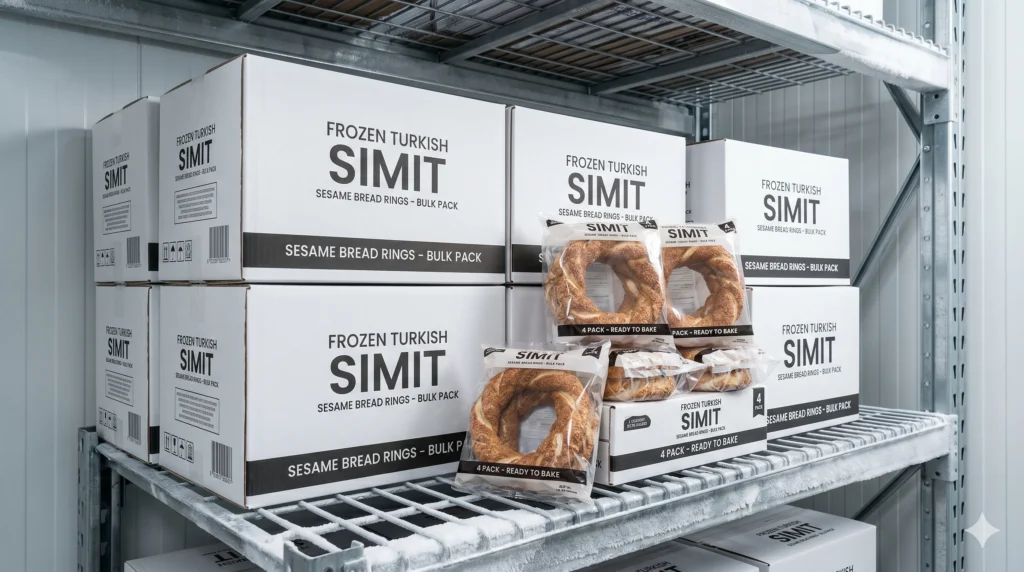
In a frozen bakery aisle, the single-serve simit retail format functions as an impulse addition — a consumer shopping for frozen baguettes or croissants sees simit retail for the first time, picks it up for €1.50–2.50, and makes a low-risk purchase decision. The key to making this format work commercially is visual impact: the packaging must communicate authenticity, the product inside must deliver on the promise, and the baking experience at home must be straightforward enough to generate a repeat purchase.
Single-serve simit retail is available in both classic and sweet variants. For a first simit retail range listing, the classic single-serve is the natural entry point — it represents the authentic product at its most commercially accessible price point.
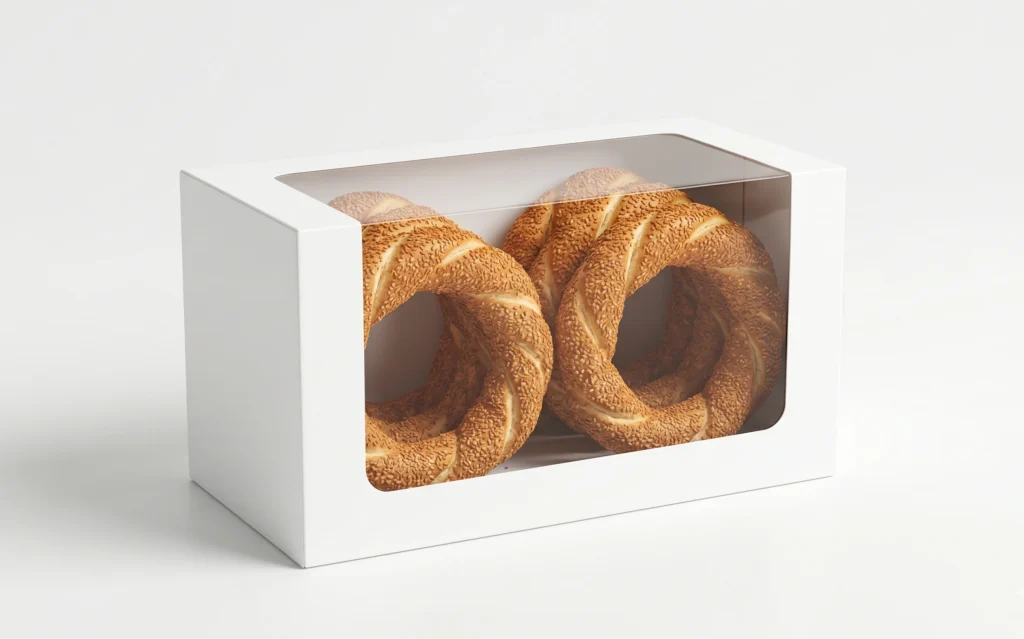
Retail Multipack (4×10⁵g)
The retail multipack — four simit rings per unit, typically 4×10⁵g — is the repeat purchase format and the volume driver for any established simit retail range. It serves the family breakfast occasion, the weekly grocery shop, and the consumer who has moved from trial to routine.
For simit retail private label programmes specifically, the multipack format is the highest-priority SKU. It occupies more shelf space, delivers a stronger branded visual presence, generates higher absolute revenue per unit sold, and provides the margin per facing that justifies private label packaging investment. Retailers who carry both a single-serve and a multipack simit retail format consistently see the multipack account for the higher proportion of revenue within twelve weeks of launch.
Format Mix Recommendation for a First Simit Retail Range
For category managers building a simit retail range from scratch, a two-SKU launch — one classic single-serve and one classic multipack — gives the best balance of trial generation and volume building. Adding a sweet variant as a third SKU at the three-to-six-month mark, once rate-of-sale data from the first two formats is available, minimises initial range risk while creating a clear extension pathway.
Simit Retail Private Label — The €291bn Opportunity
The European private label market is not a niche — it is the mainstream. With private label accounting for 40% of FMCG sales by value and €291 billion in annual revenue across the six major European markets, own-brand product development is a structural priority for every major European retailer. The question for category managers is not whether to develop private label simit retail — it is how to do it effectively and which supplier can support it.
Why Simit Is an Ideal Private Label Retail Product
Simit retail has several characteristics that make it particularly well-suited to private label development, beyond its general commercial appeal.
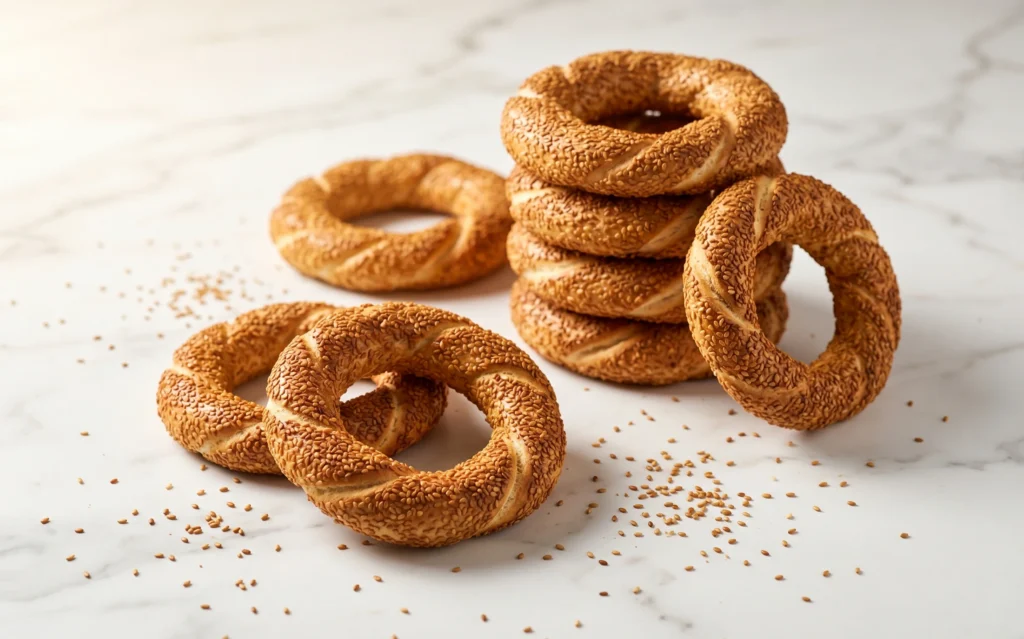
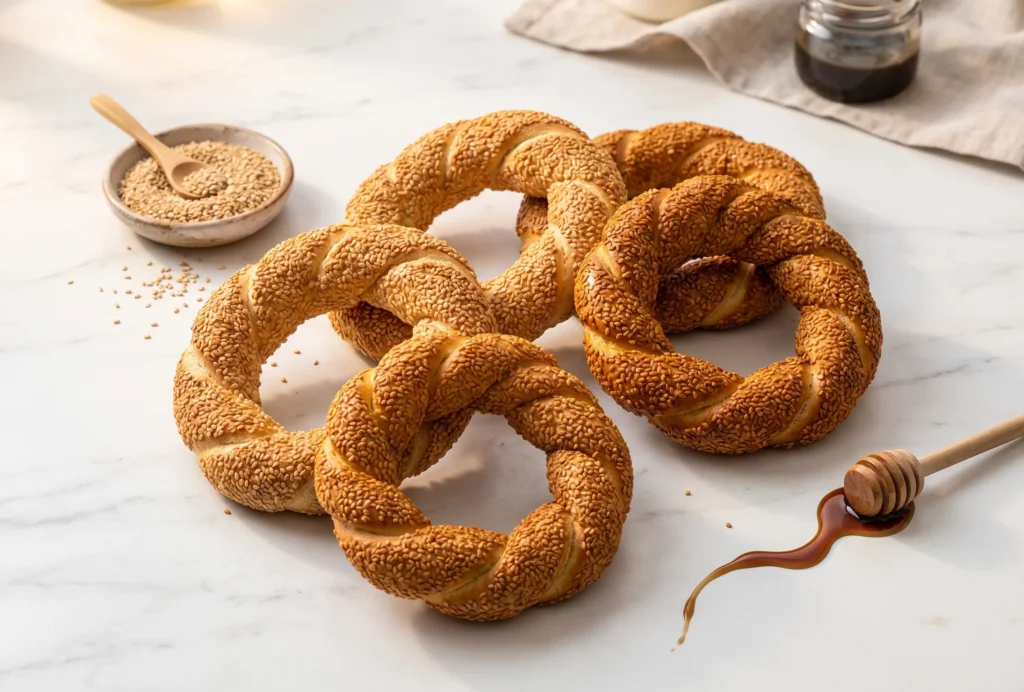
Visual distinctiveness on pack. A private label simit retail product looks nothing like standard own-brand bread. The golden, sesame-encrusted ring on the front of pack is immediately eye-catching and communicates premium, artisan, and international character without requiring the consumer to read the product description. In a frozen bakery fixture where most own-brand products look similar, simit retail private label stands apart.
A communicable origin story. The authentic Turkish provenance of simit retail — centuries of street food history, the molasses and sesame preparation, the cultural connection to Istanbul and Turkish breakfast culture — is a story that fits naturally on the back of pack and gives the consumer a reason to engage with the product beyond its functional attributes. Premium private label products with a genuine origin story consistently outperform generic alternatives at the same price point.
Scalable production at consistent quality. A private label simit retail programme requires a supplier who can produce to the buyer’s specification consistently across batches, manage multi-market labelling compliance, and accommodate private label runs alongside standard wholesale without compromising either. These are capability requirements that separate specialist simit retail suppliers from generic frozen bakery producers.
On-Pack Communication for Private Label Simit Retail
The most effective private label simit retail packaging combines four elements: the authentic Turkish name (“simit” or “Turkish sesame bread ring”), a clear statement of the preparation method (“molasses-glazed, sesame-coated, baked fresh”), simple baking instructions (“from frozen: 180°C, 6–8 minutes”), and one serving suggestion that makes the product immediately accessible (“serve warm with white cheese and olives for an authentic Turkish breakfast”).
Allergen declarations for both sesame and gluten (wheat) must be prominently displayed and fully compliant with EU Regulation (EU) 2021/382 requirements. According to simit retail allergen compliance guidance under EU food information law, sesame became a mandatory declared allergen in the EU in 2022 — any private label simit retail packaging that predates this requirement must be reviewed and updated.
Building the Simit Retail Business Case
For category managers who need to build an internal case for adding simit retail to their range, the commercial argument is straightforward — but it needs to be structured correctly for a buying director or commercial director who wants to understand rate of sale potential, margin contribution, and range risk before approving a new listing.
Rate of Sale Benchmarks
Simit retail is not a commodity product competing for volume against established bread categories. It is a premium, differentiated product competing for share of a growing premium and international frozen bakery subcategory. Rate-of-sale expectations should be set accordingly.
For a correctly positioned and merchandised single-serve product in a mainstream European supermarket, a weekly rate of sale of two to four units per facing per store is a realistic initial benchmark for the first twelve weeks. For a multipack format, one to two units per facing per week is appropriate. These benchmarks reflect the trial-building phase — rate of sale typically increases by 30–50% between weeks four and twelve as consumer awareness builds through purchase experience and word of mouth.
For specialist or world foods positioning, initial rates will be lower in absolute terms but will reflect a higher proportion of repeat purchase from the first week — diaspora and culturally engaged consumers have a lower trial threshold and higher baseline loyalty than mainstream frozen bakery shoppers.
Margin Framework
Simit retail margin is built on the same structure as premium frozen bakery: the input cost of a quality frozen product from an EU-based specialist supplier, plus the retailer’s standard frozen bakery margin, supported by a selling price that reflects premium positioning rather than commodity bread price points.
A single-serve product priced at €1.80–2.50 at retail — comparable to a premium frozen croissant or artisan roll — delivers a margin structure that is commercially viable for both supplier and retailer at standard frozen bakery terms. A multipack format priced at €4.50–6.00 delivers stronger margin per unit and higher revenue per facing.
Private label development, where the retailer captures the full brand margin, improves the margin structure further — typically by 15–25% compared to branded equivalent at the same retail price point.
Range Risk Assessment
The primary risk in simit retail is slow trial uptake in markets where consumer awareness is low. This is mitigated by: launch in world foods alongside the frozen bakery placement to capture diaspora consumers from day one; clear shelf labelling and on-pack communication; and a two-SKU launch structure that limits initial commitment while generating both trial and repeat purchase data.
The secondary risk is product quality inconsistency from the supplier — entirely mitigated by selecting a specialist with documented batch quality consistency, current BRC or IFS certification, and an active retail track record.
Simit Retail Sourcing — What Category Managers Need
The sourcing requirements for simit retail are specific and non-negotiable. A supplier who can produce authentic product at consistent quality, manage EU retail compliance requirements, and maintain reliable cold chain logistics is the baseline. A supplier who can also support private label development, provide category data and product photography, and work with the retailer’s specific compliance and logistics infrastructure is the right long-term partner.
EU Retail Compliance Requirements
Every simit retail product supplied to a European retailer must meet the following minimum compliance requirements: full allergen declaration for sesame and gluten (wheat) in compliance with Regulation (EU) 2021/382; nutritional information per 100g and per portion; net weight declaration; country of origin; storage and preparation instructions; and a barcode that meets the retailer’s specific format and placement requirements.
For multi-market retail supply — distributing the same product across Germany, the Netherlands, Belgium, and France, for example — the labelling must include allergen and ingredient declarations in all relevant languages. A supplier with genuine multi-market private label capability will have documented processes for managing these requirements without requiring the buyer to handle translation and compliance verification independently.
Frozen Bakery Retail Logistics
Simit retail supply requires consistent frozen logistics from production to the retailer’s distribution centre. For UK buyers post-2021, and for any European buyer sourcing from outside the EU, this adds customs complexity and cold chain transit risk. An EU-based supplier eliminates both — shorter transit distances, no customs documentation burden, and cold chain management entirely within the EU regulatory framework.
For retailers with specific delivery window requirements — narrow receipt windows at distribution centres, consolidated pallet requirements, specific EDI documentation standards — the supplier must be able to accommodate these operationally. Verify logistics capability specifically rather than assuming it — these requirements vary significantly between major European retail chains.
The Lezza Foods Simit Retail Range
Lezza Foods BV has been supplying simit retail and wholesale products to European retail, HoReCa, and private label customers since 2013. Based in Mechelen, Belgium, with active supply across 20+ European countries and more than 20 private label brands in current production, Lezza Foods is one of Europe’s established specialists in this category — a supplier whose production capability, certification status, and retail track record have been verified by some of Europe’s most demanding retail buyers, including ALDI, Kaufland, and Europastry.
The Lezza Foods range covers four SKUs across classic and sweet formats in the pack sizes required for retail ranging from single-serve trial to multipack repeat purchase. Lezza Foods supplies simit retail in a 125g single-serve classic format, 80 pieces per carton, designed for the frozen bakery aisle trial occasion and impulse purchase. This is the recommended first SKU for category managers building a range for the first time.
The simit retail 4×10⁵g multipack puts four classic rings per retail unit, pre-baked to 80%, for the weekly grocery shop and the repeat purchase occasion. This format is the core private label development SKU — it delivers the strongest revenue per facing and the highest proportion of repeat purchase within any simit retail range.
For retailers who want to offer a sweeter variant alongside the classic, the simit retail sweet 135g single-serve delivers a more indulgent flavour profile suited to café-style positioning and the consumer who prefers a slightly sweeter morning bakery product. The simit retail sweet 160g format offers a larger premium portion for retailers positioning at the upper end of the premium frozen bakery price range.
All four SKUs are available for private label with full flexibility on packaging specification, multi-market labelling compliance, and production scheduling. As a specialist supplier with an active private label track record across 20+ brands, Lezza Foods brings the documentation, capability, and experience to deliver a private label programme on time and to specification.
Frequently Asked Questions: Simit Retail
What is the best shelf position for simit retail in a European supermarket?
The frozen bakery aisle is the highest-volume position for most mainstream European supermarkets, placing the product alongside established frozen-to-bake formats that shoppers already interact with regularly. A secondary placement in the world foods or Mediterranean section drives additional volume from diaspora and culturally engaged consumers. For a first listing, frozen bakery is the recommended primary position with world foods as a supplementary placement where the retailer’s store format allows.
What pack formats should I list for a first simit retail range?
A two-SKU launch — one classic single-serve (125g) and one classic multipack (4×10⁵g) — gives the best balance of trial generation and volume building. The single-serve drives trial and consumer acquisition; the multipack drives repeat purchase and revenue per facing. Adding a sweet variant at three to six months, once rate-of-sale data is available, is the recommended extension pathway.
Is simit retail available for private label in Europe?
Yes. Lezza Foods produces simit retail under private label for retail chains, wholesale distributors, and brand owners across Europe, with full flexibility on packaging specification and multi-market labelling compliance. All four SKUs in the range are available for own-label development.
How does simit retail compare to other frozen bakery products in terms of margin?
Simit retail is positioned as a premium frozen bakery product — comparable in price point to premium frozen croissants, artisan rolls, or part-baked sourdough. The margin structure is consistent with standard premium frozen bakery terms. Private label development improves this by 15–25% compared to branded equivalent at the same retail price point, by eliminating the brand margin and allowing the retailer to capture the full commercial value.
What allergens does simit retail contain, and how must they be declared?
The product contains two regulated allergens under EU food labelling law: gluten (wheat) and sesame. Both must be declared prominently on packaging. Sesame became a mandatory declared allergen in the EU in 2022 under Regulation (EU) 2021/382. Private label packaging must include compliant allergen declarations in all languages required for the markets where the product is sold. Always verify declarations against the current product specification sheet before submitting packaging artwork.
Where can I source simit retail products for my European retail range?
Lezza Foods BV supplies simit retail across 20+ European countries from Mechelen, Belgium. The range covers classic and sweet variants in single-serve and multipack formats, with full private label capability and current BRC food safety certification. Contact the commercial team to discuss range planning, minimum order quantities, and private label development options.
Ready to Build Your Simit Retail Range?
Simit retail is a category entry with clear commercial logic, proven consumer demand, and a first-mover opportunity that is still genuinely available across most European markets. The product is right, the timing is right, and the supplier infrastructure to deliver it at scale — with the quality, compliance, and private label capability that European retail requires — exists and is operational.
Lezza Foods has been supplying authentic Turkish and Mediterranean food products to European retail since 2013. The range is consistent, EU-sourced, available in formats that serve every retail channel, and backed by a private label track record of 20+ brands in active production.
Browse the full simit retail range on the Lezza Foods website, download the simit retail catalogue for complete SKU specifications, carton data, and private label capability information, or request a simit retail quote directly for wholesale pricing, minimum order quantities, and private label enquiry.