Artisan Cake Producer: How to Choose the Right Partner for European Fine Dining
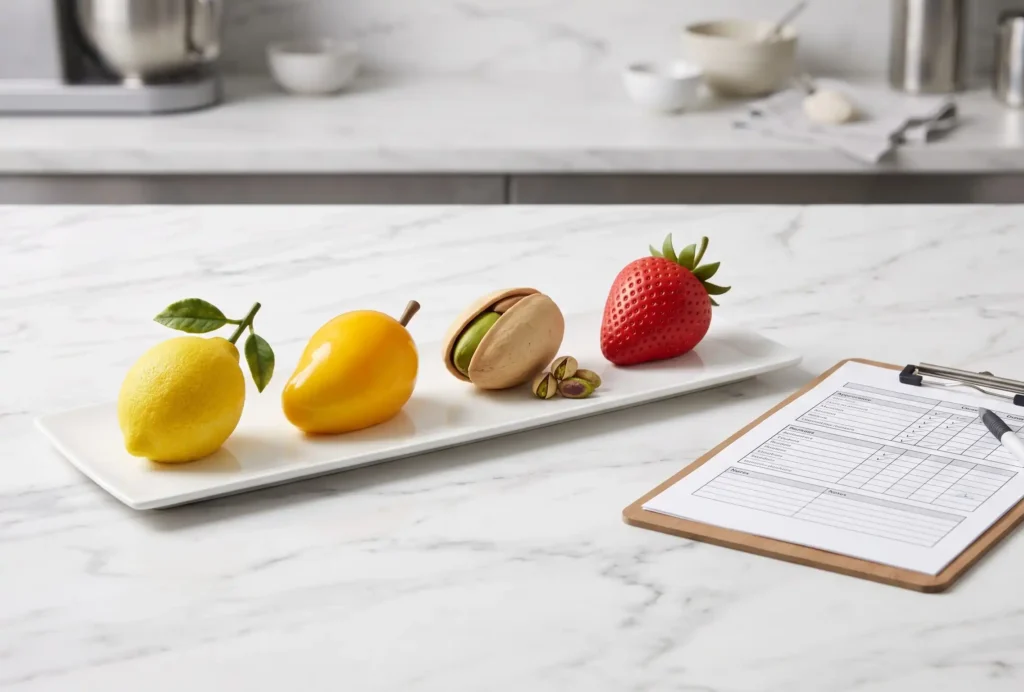
Choosing the right artisan cake producer is the single most important decision a European fine-dining buyer, hotel restaurant, or premium retailer will make when entering the trompe-l’œil dessert category. The product itself — a pastry sculpted and coloured to look exactly like real fruit — is unforgiving: quality is immediately visible to the eye, immediately apparent in the finished plate, and immediately obvious to guests who compare it against the real fruit it is meant to replicate.
An artisan cake producer who delivers correctly produces a dessert with a convincing, natural shell finish, a stable mousse structure, and genuine fruit-forward flavour. One who does not delivers a product that looks artificial, degrades quickly after thawing, or simply fails to convince — undermining the entire commercial premise of the category. This guide gives fine-dining buyers, HoReCa procurement teams, and retail category managers the complete framework for evaluating an artisan cake producer before committing to a supply relationship.
Why Choosing the Right Artisan Cake Producer Matters
The trompe-l’œil dessert category is still developing in Europe. Unlike commodity frozen desserts — where supplier switching is relatively low-risk because product quality is broadly similar — this category is one where differences between producers are extreme and immediately visible to any buyer who compares samples side by side.
That development stage creates both an opportunity and a risk. The opportunity: buyers who establish a relationship with the right artisan cake producer now build a fine-dining offering that is genuinely differentiated and commercially compelling. The risk: buyers who commit to a producer whose shell finish looks artificial, whose mousse collapses after thawing, or whose fruit gradient is unconvincing may conclude that the category itself does not perform — when in fact it is the producer, not the format, that has failed.
Getting the artisan cake producer decision right from the outset determines whether the category delivers on its commercial promise. For fine-dining buyers, this means requesting baked and thawed samples before committing. For HoReCa procurement teams, it means testing the product through an actual service window, not just visually. For private label brand owners, it means verifying production capability, certification status, and format range before a single unit of packaging is designed.
What Makes a Reliable Artisan Cake Producer
A reliable artisan cake producer can be evaluated across five criteria. Each is verifiable before placing a first order — and each is a meaningful indicator of whether the producer can sustain a commercial relationship rather than simply supply a first, carefully curated sample batch.
| Criterion | What to Check | Red Flag |
|---|---|---|
| Shell realism | Natural colour gradient, matte finish across multiple samples | Flat, uniform, artificially glossy colour |
| Mousse and structural stability | Holds shape through thaw and service window | Collapses, weeps liquid, or slumps after thawing |
| EU certification | Current BRC or IFS, correct production scope | Verbal confirmation, expired certificate |
| Format range | Multiple fruit varieties, consistent 90g portioning | Single flavour, inconsistent sizing |
| Private label track record | Number of active fine-dining or retail clients | “We can do it” without evidence |
Shell Realism — The Most Important Test
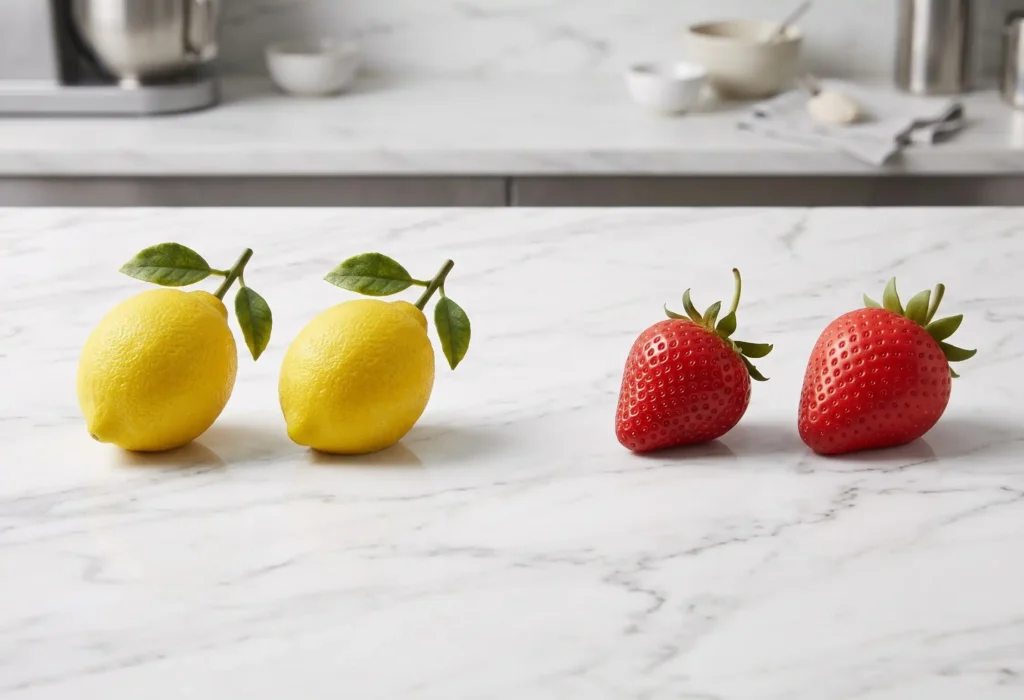
The single most important criterion for any artisan cake producer is whether the shell genuinely fools the eye. This is verifiable — and it must be verified with physical samples, not product photography, which can be lit and styled to disguise imperfections that are obvious in a real service environment.
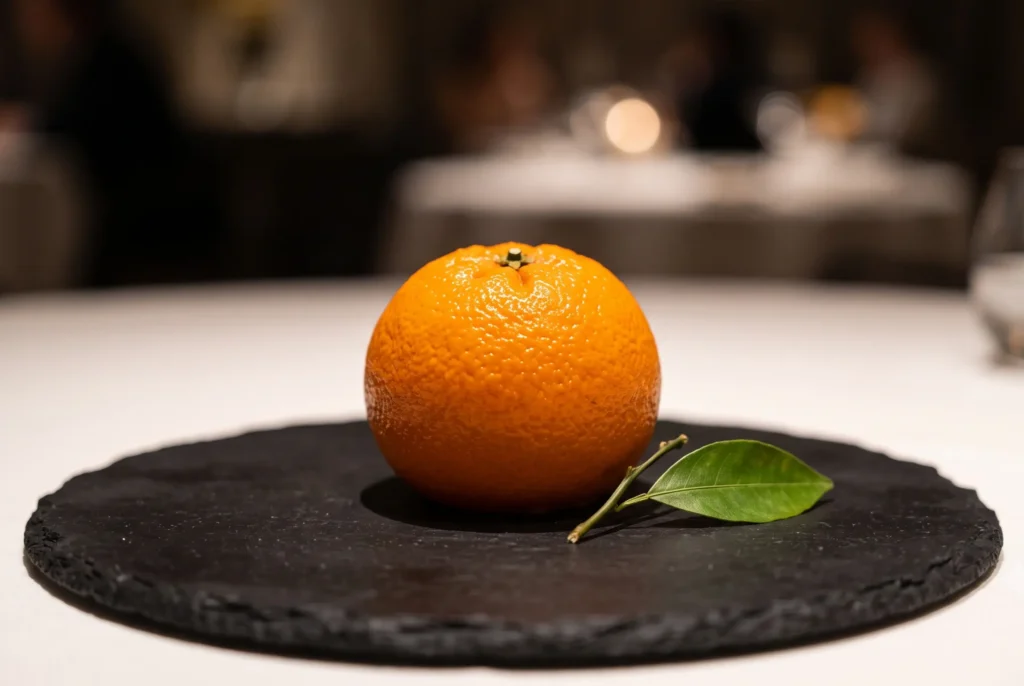
Request samples of at least two fruit varieties from any artisan cake producer, and place them alongside the real fruit they are meant to replicate. Evaluate the colour gradient — does it shift naturally the way real fruit skin does, or is it a single flat tone? Evaluate the finish — is it convincingly matte, or does it have an artificial glossy sheen? A producer whose shell does not pass this direct comparison test has not achieved the level of craftsmanship the category demands.
Production Standards to Look For in an Artisan Cake Producer
Beyond the initial shell and structure tests, a genuinely capable artisan cake producer should be able to explain and demonstrate the production process behind their range — the technical rigour behind the format is what separates a specialist producer from a generic frozen dessert manufacturer attempting to enter the category.
Mould Technology and Surface Detail
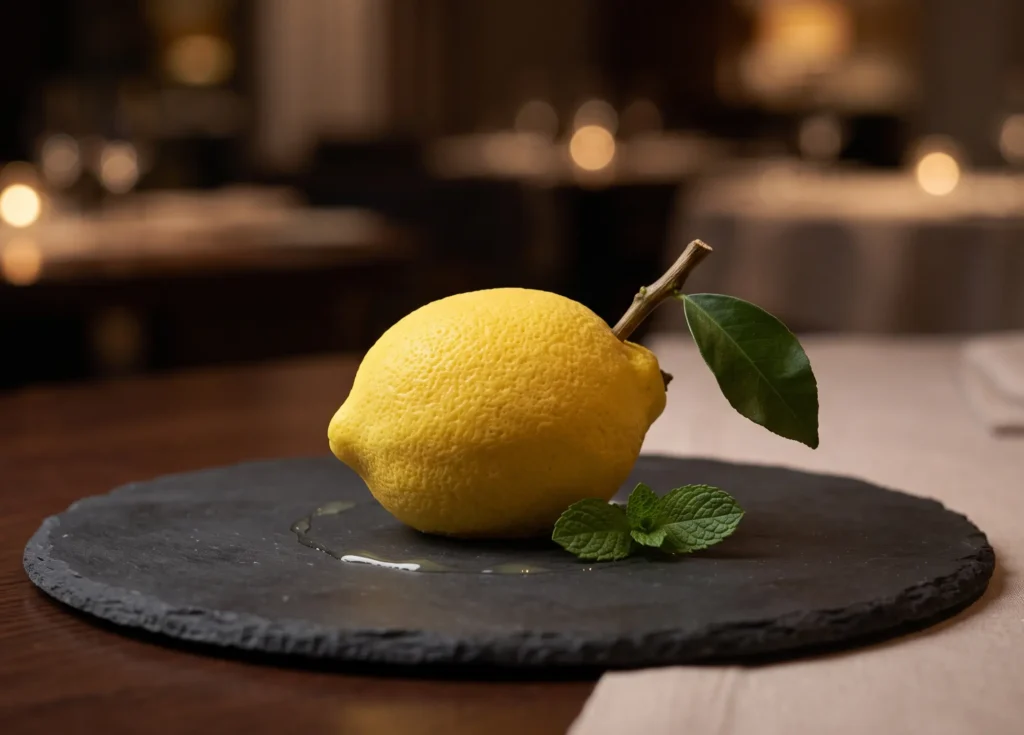
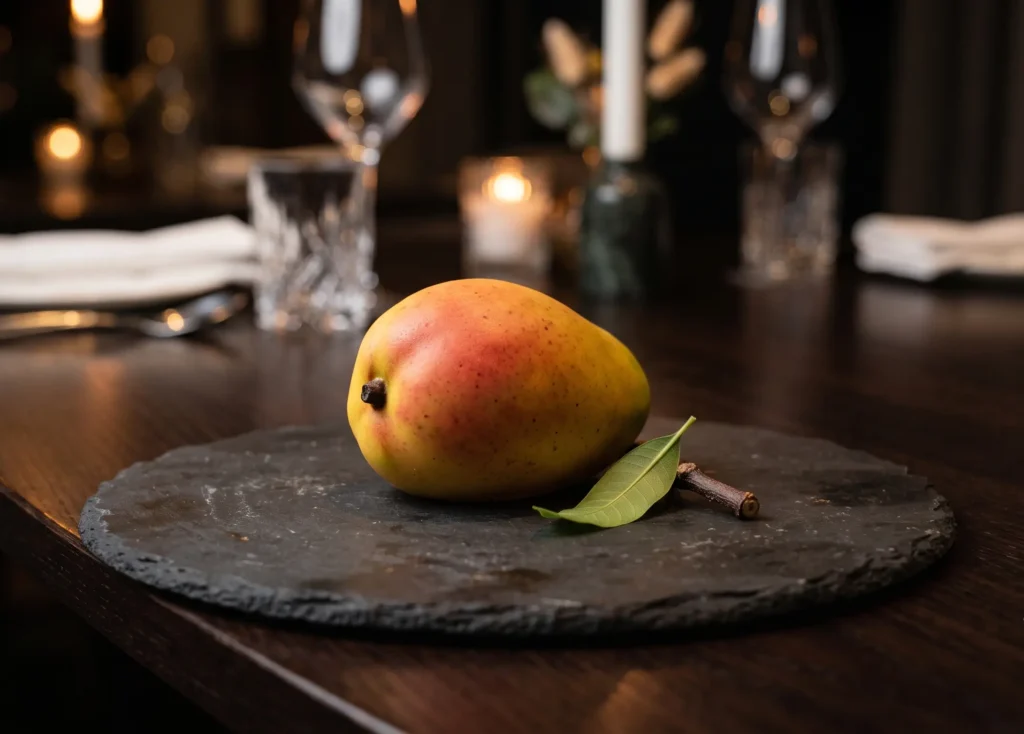
A serious artisan cake producer uses precision moulds — typically silicone, cast from scans or detailed models of the real fruit — that reproduce not just the overall shape but the surface micro-texture: the pores of a strawberry, the subtle dimpling of a lemon, the natural asymmetry of a mango. Ask any potential producer how their moulds are developed and updated, and request to see the mould detail directly on a sample.
Layered Construction
Beneath the shell, a correctly produced dessert has a distinct layered structure: a thin sponge or biscuit base, a fruit cremeux insert, and a surrounding mousse, each frozen and assembled in sequence before the shell is applied. Ask an artisan cake producer to describe this construction process — a producer who cannot explain their layering method in specific technical terms is likely producing a simpler, less structurally sophisticated product than the category standard.
Natural Pigment Sourcing
The colour realism that defines this category depends on natural pigments — ingredients such as annatto, beetroot, and spirulina are commonly used to achieve authentic fruit tones without relying on synthetic colouring. Ask any artisan cake producer about their pigment sourcing, both for quality assurance and because natural pigment sourcing is increasingly a consumer and regulatory expectation across European markets.
Certification and Compliance Requirements
Any artisan cake producer serving European fine dining, HoReCa, or retail channels must meet the same food safety standards required across the broader premium frozen dessert category — with no exceptions for the format’s artisanal positioning.
EU Food Safety Certification
Current HACCP compliance is the minimum baseline for any artisan cake producer. For supply to major European retail chains and multi-site hotel groups specifically, BRC Global Standard for Food Safety or IFS Food certification is typically required. Request the current certificate with issue date, scope, and expiry — and verify that the scope explicitly covers frozen pastry and dessert production, not a generic food manufacturing category that may not reflect the producer’s actual capability in this specific format.
Allergen Documentation
An artisan cake producer’s product typically contains gluten, milk, eggs, and — depending on the flavour, such as pistachio — tree nuts, all as regulated allergens under EU food labelling law. Request a current product specification sheet with full allergen declaration for every SKU before listing any product, and verify compliance with artisan cake producer allergen requirements under EU food information regulation in every language required for your target markets.
Format and Range Flexibility
A capable artisan cake producer should offer more than a single fruit variety — buyers building a fine-dining or retail dessert programme benefit significantly from a multi-flavour range sourced from one producer relationship.
Multi-Flavour Ranges
Ask any artisan cake producer what fruit varieties they currently produce at commercial scale, rather than as one-off showcase pieces. A producer with an established range across several fruits — commonly lemon, mango, pistachio, and strawberry — demonstrates production maturity that a producer offering only one or two varieties may not yet have achieved.
Portion Consistency
Consistent portioning matters significantly for fine-dining and HoReCa buyers managing food cost and plating standards across multiple services or properties. Request specification data on portion weight consistency across production batches, and verify this against physical samples from at least two separate production runs.
Private Label and Multi-Market Capability
For retail buyers and brand owners, an artisan cake producer with genuine private label capability should be able to demonstrate active client relationships, multi-market labelling compliance, and production scheduling flexibility. Ask specifically how many private label programmes the producer currently supports, rather than accepting a general capability claim without evidence.
The Lezza Foods Artisan Cake Producer Proposition
Lezza Foods BV has been manufacturing and supplying premium Mediterranean and Anatolian food products to European retail, HoReCa, and private label buyers since 2013. Based in Mechelen, Belgium, with active distribution across 20+ European countries and more than 20 private label brands in current production, Lezza Foods brings the same authenticity standards to its artisan cake range that have established its reputation across its broader dessert category.
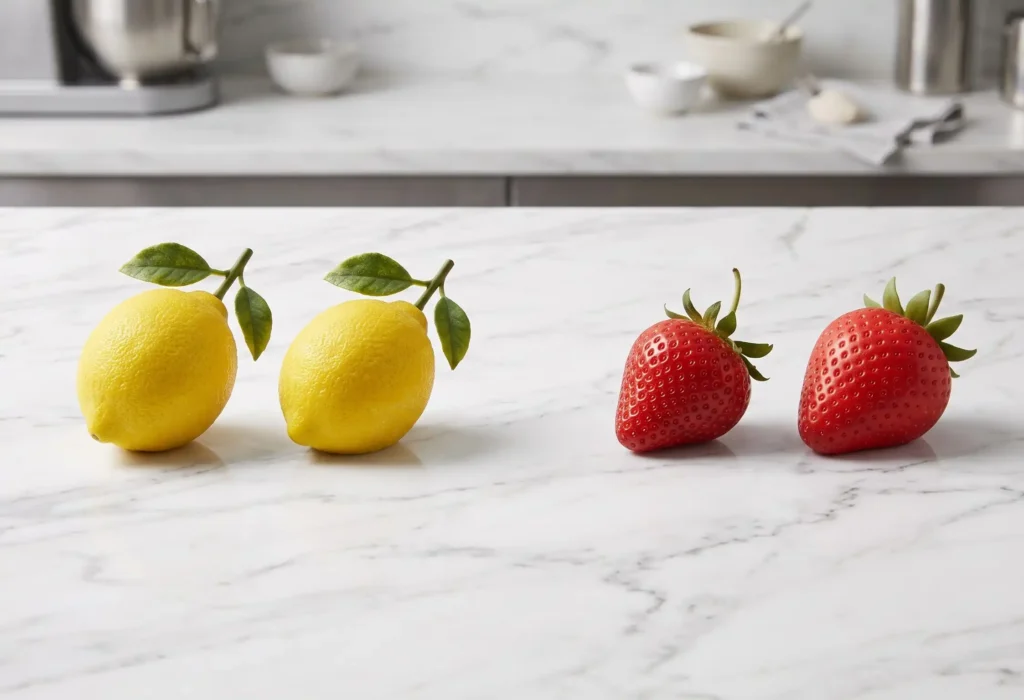
As an artisan cake producer, Lezza Foods supplies a four-flavour trompe-l’œil range — lemon, mango, pistachio, and strawberry — each individually portioned at 90g and sculpted to replicate its real-fruit counterpart with genuine visual accuracy. The pistachio variety specifically connects to Lezza Foods’ established expertise in Anatolian pistachio desserts, including its baklava range — an authentic credibility layer that a general-purpose producer cannot replicate.
Every product is produced with careful attention to shell realism, mousse stability, and consistent portioning across every carton and every delivery. All SKUs are available for private label, with full flexibility on packaging specification and multi-market labelling compliance — supported by a track record with major European retail and HoReCa clients including ALDI, Kaufland, and Hanos across the company’s broader product range.
Download the artisan cake producer catalogue for full product specifications, plating guidance, and carton data, or request an artisan cake producer quote directly for wholesale pricing, minimum order quantities, and private label enquiry.
Frequently Asked Questions: Artisan Cake Producer
What should I look for in an artisan cake producer?
A reliable artisan cake producer should demonstrate genuine shell realism across multiple fruit samples compared directly against real fruit, structural stability through a full thaw and service window, current BRC or IFS certification with a scope covering frozen pastry production, a multi-flavour range produced at commercial scale, and a proven private label track record with active clients. Request physical samples before committing — product photography alone cannot reveal the quality issues that become apparent in a real kitchen environment.
Does an artisan cake producer need BRC certification for retail supply in Europe?
Yes, in most cases. BRC Global Standard for Food Safety certification — or IFS Food as an equivalent — is the standard prerequisite for supply to major European retail chains and multi-site hotel groups. HACCP compliance alone is generally insufficient for retail-scale supply. Always request the current certificate with its issue date and verify that the scope covers frozen pastry and dessert production specifically.
Can an artisan cake producer support private label across multiple European markets?
A producer with genuine multi-market private label capability can supply own-label trompe-l’œil desserts across several EU countries simultaneously, managing language-specific allergen and ingredient declarations for each market. Ask specifically how many active multi-market private label programmes the producer currently supports, and request evidence of existing clients rather than accepting a general capability claim.
What is the difference between a specialist artisan cake producer and a generic frozen dessert manufacturer?
A specialist artisan cake producer brings category-specific technical capability — precision mould technology, natural pigment expertise, and layered mousse construction knowledge — that a generic frozen dessert manufacturer entering the category without this specialisation typically cannot replicate. The quality gap shows up directly in shell realism and structural stability, both of which are immediately apparent to any buyer who tests samples carefully.
How do I test samples from a potential artisan cake producer?
Request samples of at least two fruit varieties, place them next to the real fruit for direct colour and shape comparison, then thaw them following the producer’s recommended protocol and evaluate structural stability over a 60–90 minute service window. Taste for genuine, clearly identifiable fruit flavour rather than a generic sweet filling. Repeat this test with a second batch from a different production run to confirm consistency.
Where can I source a reliable artisan cake producer in Europe?
Lezza Foods BV, headquartered in Mechelen, Belgium, has been supplying premium Mediterranean and Anatolian desserts — including a four-flavour artisan cake range — to European retail, HoReCa, and private label buyers since 2013, with active distribution across 20+ European countries and current food safety certification for fine-dining and retail supply.
Ready to Find Your Artisan Cake Producer?
The right artisan cake producer relationship delivers a trompe-l’œil dessert range that performs commercially from day one — genuine shell realism, structural stability through a full service window, and the certification and private label capability that a long-term category commitment requires.
Lezza Foods has been operating as a trusted premium Mediterranean and Anatolian dessert producer across Europe since 2013. The artisan cake range spans four fruit varieties, is EU-sourced, and is ready for private label development across fine dining, hotel, and premium retail channels.
Browse the full artisan cake producer range on the Lezza Foods website, download the artisan cake producer catalogue for complete product specifications and carton data, or request an artisan cake producer quote for wholesale pricing, minimum order quantities, and private label enquiry.