Artisan Lemon Cake: The Trompe-l’Œil Dessert European Fine Dining Cannot Ignore
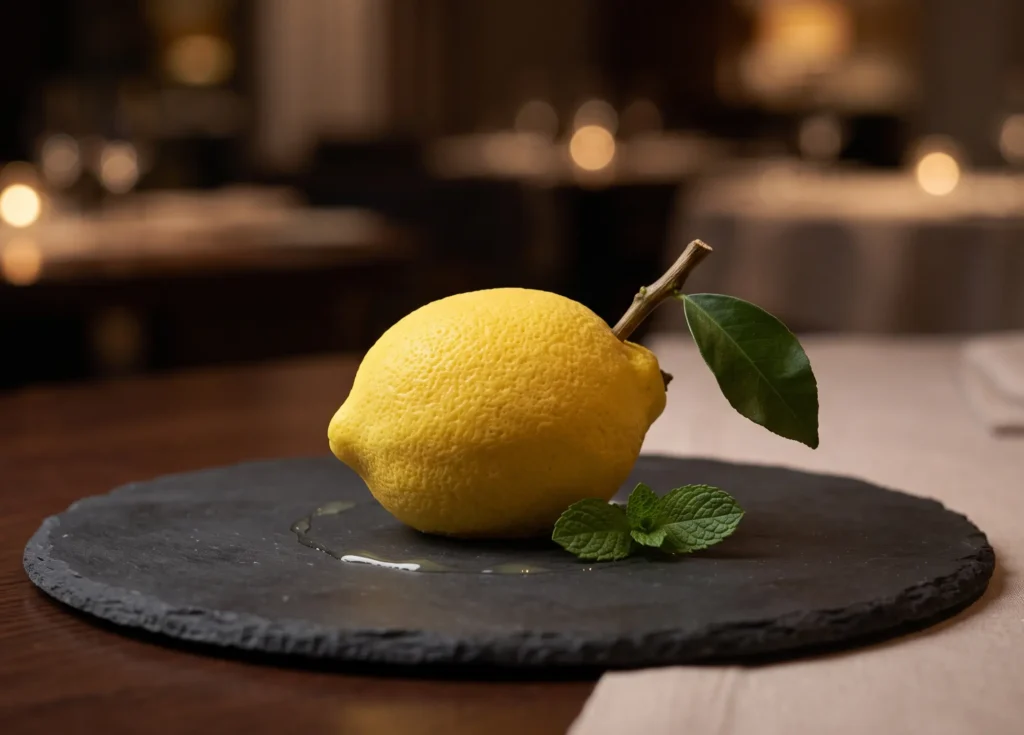
It, in its artisan trompe-l’œil form, has become one of the most visually arresting desserts available to European fine dining and premium food service. Sculpted and coloured to replicate the exact appearance of a real lemon — the vivid yellow skin, the rounded natural form, the subtle imperfections of fresh citrus — this is not a flavoured sponge. It is a genuine piece of pastry artistry designed to fool the eye before it delights the palate.
For HoReCa operators, retail category managers, and wholesale distributors, the format offers something rare: a citrus dessert with universal, cross-generational appeal, presented in a format so visually striking that guests photograph it before they taste it. This guide covers what it is, why demand for the format continues to grow across European fine dining and retail, how to serve and plate it correctly, and how to source authentic quality from an EU-based manufacturer.
What Is Artisan Lemon Cake?
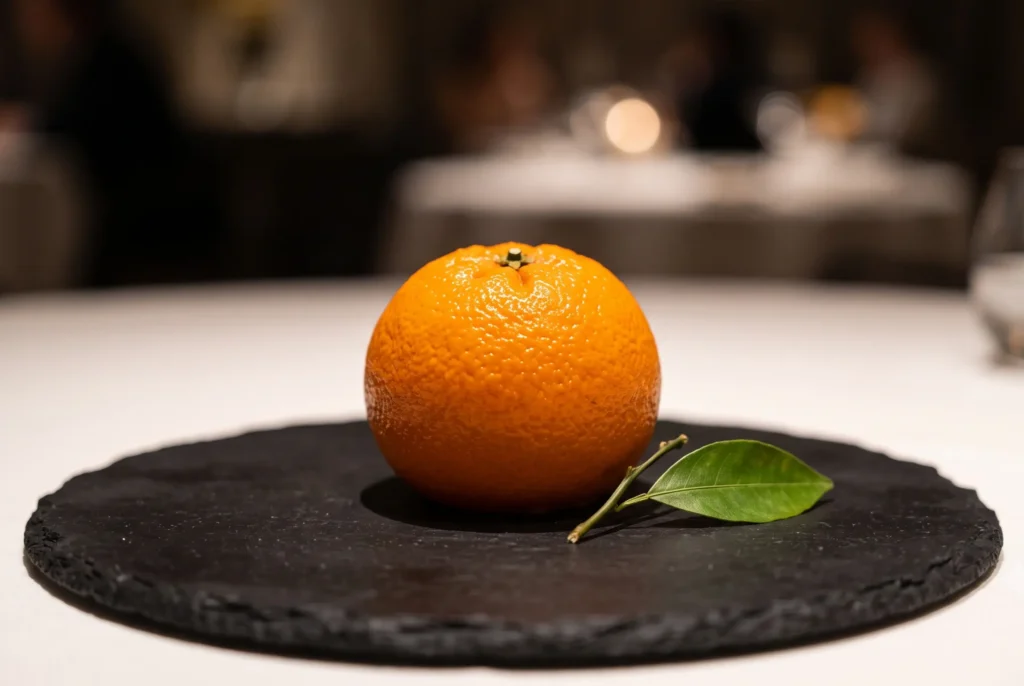
It, built on the trompe-l’œil pastry tradition, is a single-portion dessert sculpted and coloured to look exactly like a real lemon — not merely lemon-flavoured, but lemon-shaped, lemon-coloured, and finished with the same matte skin texture and natural colour variation found on real citrus fruit. The name comes from the French tromper l’œil, “to deceive the eye,” a technique that has defined some of the most talked-about dessert menus in Europe over the past decade.
Beneath the realistic lemon exterior, the dessert is built from distinct layers: a thin sponge or biscuit base for structure, a citrus mousse or cremeux that carries the genuine lemon flavour, and an outer shell — typically tempered cocoa butter coloured with natural pigments — airbrushed onto the frozen dessert to recreate the exact yellow tone, sheen, and texture of fresh lemon skin. A small green stalk or leaf detail completes the illusion.
The modern trompe-l’œil movement traces back to 2016, when French pastry chef Cédric Grolet popularised the technique at Le Meurice in Paris. It was among the first and most enduringly popular fruits recreated in this style — its bright, unmistakable colour and universally recognisable shape make it one of the format’s most immediately convincing and commercially successful expressions.
For European buyers, understanding this craftsmanship matters commercially. This is not a manufactured novelty — it carries genuine pastry heritage, and that authenticity is precisely what continues to generate guest engagement and repeat demand well beyond a single viral moment.
Artisan Lemon Cake vs. Traditional Lemon Cake
| Artisan Lemon Cake (Trompe-l’Œil) | Traditional Lemon Sponge Cake | |
|---|---|---|
| Appearance | Sculpted to replicate a real lemon exactly | Conventional sliced or portioned sponge |
| Production technique | Moulded citrus mousse/cremeux, airbrushed cocoa butter shell | Baked sponge, lemon glaze or icing |
| Visual distinctiveness | Extremely high — designed to fool the eye | Low to moderate — familiar cake presentation |
| Menu positioning | Fine dining, signature dessert, conversation piece | Everyday menu staple, café classic |
| Social media performance | Very strong — inherently shareable format | Low to moderate |
| Consumer familiarity with flavour | High — lemon is universally recognised | Very high |
| Price point supportable | Premium — justifies significant menu uplift | Standard |
Why Artisan Lemon Cake Continues to Grow Across Europe
The commercial momentum behind this format reflects a combination of universal flavour appeal, exceptional visual craftsmanship, and a production process mature enough to bring genuine fine-dining artistry to commercial wholesale supply.
The Most Universally Recognisable Trompe-l’Œil Fruit
Of all the fruits recreated in the trompe-l’œil tradition, lemon is among the most instantly recognisable to any consumer, in any European market. Its distinctive shape and unmistakable yellow colour make the illusion immediately convincing, even to guests unfamiliar with the broader trompe-l’œil dessert category. That universal recognisability lowers the barrier to guest engagement compared with less familiar fruit shapes.
A Genuine Craft, Not a Manufactured Trend
The format emerged from serious fine-dining kitchens and has been refined over nearly a decade by specialist pastry producers who treat the format as a genuine craft discipline — matching mould geometry, surface texture, and natural pigment blends to real lemon skin with painstaking precision. This credibility supports a stronger price point and a more durable menu position than a format built on visual novelty alone.
Exceptional Social Media and Guest Engagement Performance
The format is, by design, one of the most inherently photogenic desserts available to European food service. Guests who encounter it for the first time consistently photograph and share it — restaurants introducing the format typically see steady early adoption that accelerates significantly once the dish begins circulating on social media, with fine-dining venues running dedicated tasting-menu courses seeing particularly strong repeat guest demand.
A Refreshing Counterpoint on Rich Dessert Menus
Lemon’s naturally bright, citrus-forward flavour makes it a particularly effective menu choice as a lighter, palate-cleansing option alongside richer chocolate or caramel-based desserts. For fine-dining menus offering multiple dessert options, lemon cake provides genuine flavour variety without sacrificing the visual sophistication that defines the category.

Lemon Cake — Plating and Service Guidance
Getting the best result from it in a professional kitchen requires understanding a small number of handling rules specific to the trompe-l’œil format — it is more temperature-sensitive than a standard cake slice, and correct handling preserves the visual illusion that makes the product work.
Thawing
It should be thawed slowly under refrigeration — typically 20–30 minutes at chilled cabinet temperature — rather than at room temperature. Room-temperature thawing causes the outer cocoa butter shell to lose its matte, natural finish and can compromise the realistic lemon-skin texture that defines the format. Always follow the specific thawing guidance on the supplier’s product specification sheet.
Plating and Presentation
It performs best on a plain, contrasting surface — matte slate, unglazed ceramic, or simple white china all work well. A single small garnish, such as one edible leaf or a light brushstroke of citrus coulis, is generally sufficient; busy or patterned plates compete visually with the dessert and diminish the illusion.
Service Timing
Once thawed and plated, it typically remains visually stable for around 60–90 minutes at cool room temperature before the shell begins to lose its sheen, particularly in warmer service environments. For summer service, operators should plate closer to the point of service rather than holding pre-plated desserts for extended periods.
Kitchen Training
Because it requires no baking, mixing, or assembly, kitchen teams need only a short briefing on thawing time, plating technique, and service window to produce consistently excellent results — a significant advantage over composed desserts requiring dedicated pastry skill.
Lemon Cake for HoReCa — Menu Positioning and Margin
For hotel restaurants, fine-dining establishments, and premium catering businesses, it delivers a combination of universal flavour appeal and visual sophistication that supports a genuinely premium menu position.
Fine Dining and Tasting Menus
On a fine-dining menu, it functions as a signature dessert course — a dish that guests specifically remember and recommend, and one whose bright, citrus-forward flavour offers a refreshing contrast to richer dessert options on the same menu. Its visual impact requires no additional plating complexity from the kitchen, since the dessert itself is already the finished centrepiece.
Hotel Restaurants and Room Service
For hotel restaurants, it offers a premium dessert option that differentiates the dining room without requiring a dedicated pastry chef on every shift. Because the format arrives frozen and finished, hotel kitchens can maintain consistent quality across every service and every property in a multi-site group.
Café and Premium Casual Dining
Beyond formal fine dining, it is increasingly appearing in premium café and casual dining settings where operators want a standout dessert option without a full pastry programme. Its bright, immediately recognisable form performs particularly well in a display cabinet or dessert menu photograph.
Margin Potential
Its combination of universal flavour familiarity, genuine craftsmanship, and simple frozen preparation supports a premium menu price that few citrus dessert formats can match. The gap between wholesale input cost and achievable menu price — driven by the format’s fine-dining credibility rather than ingredient cost alone — makes it a strong margin contributor in the premium dessert category.
Lemon Cake for Retail — Premium Positioning
For retail category managers, it offers an opportunity to bring a genuinely fine-dining format into premium frozen dessert ranges, anchored by one of the most universally appealing citrus flavours available.
Shelf Positioning
It belongs in the premium frozen dessert section, positioned to stand apart from standard cake and pastry formats. Because the visual identity of the product is its primary selling point, packaging that allows the product to be seen — a clear window or a strong photographic image — is essential to communicate its distinctive appeal at the point of purchase.
The Premium Gifting Opportunity
Its striking visual identity and universally loved flavour make it a natural fit for gifting occasions and celebrations, where consumers are willing to pay a premium for a genuinely memorable dessert experience that appeals across generations.
Private Label Opportunity
It is a strong private label candidate for retailers with an existing premium frozen dessert programme. Because its visual distinctiveness does much of the commercial work on pack, retailers can develop a private label offering without requiring extensive supporting brand narrative — the product’s own craftsmanship and universally familiar citrus appeal communicate premium positioning immediately.
For retailers already carrying other premium Mediterranean and Anatolian desserts, it extends the range into a genuinely differentiated fine-dining-adjacent category that broadens the overall premium credentials of the dessert fixture.

How to Source Authentic Lemon Cake in Europe
Sourcing this format for European fine dining, HoReCa, or retail supply requires attention to production quality that is genuinely difficult to achieve — the format’s entire commercial value depends on the accuracy of the visual illusion, which makes supplier evaluation critical.
The Three Quality Tests
Request samples from any potential supplier and evaluate three things before committing to a supply agreement.
Shell realism. The outer shell should replicate the natural yellow colour variation, matte finish, and subtle surface texture of real lemon skin — not a flat, uniform, glossy colour. A correctly produced version uses natural pigments and careful airbrushing technique to achieve genuine visual realism.
Mousse and cremeux texture. The interior should be light, stable, and clearly citrus-forward in flavour — not a generic sweet filling. The mousse should hold its structure cleanly when sliced, without collapsing or weeping liquid.
Structural stability after thawing. A correctly produced version should hold its shape and finish through the recommended thawing and service window without slumping, cracking, or losing its shell integrity. A sample that degrades quickly after thawing indicates an unstable mousse structure or an inconsistent shell application process.
EU Food Safety and Allergen Requirements
Any supplier serving European retail or HoReCa channels must hold current HACCP compliance at minimum, with BRC Global Standard for Food Safety or IFS Food certification required for supply to major European retail chains and hotel groups. Request the current certificate with issue date and scope before committing to a supply relationship.
Lemon cake in this format typically contains regulated allergens under EU food labelling law, including gluten (wheat, in the sponge base), milk, eggs, and cocoa butter-based ingredients. Always request a current product specification sheet with full allergen declaration from your supplier, and ensure compliance with lemon cake allergen requirements under EU food information regulation across every market where the product will be sold.
Cold Chain and Format Flexibility
Lemon cake depends on an unbroken cold chain from production to point of sale to preserve both its structural integrity and its visual finish. A supplier based in continental Europe offers a structural advantage — shorter transit times, simpler cold chain management, and no customs complexity within the EU.
The Lezza Foods Lemon Cake Range
Lezza Foods BV has been manufacturing and supplying premium Mediterranean and Anatolian food products to European retail, HoReCa, and private label buyers since 2013. Based in Mechelen, Belgium, with active distribution across 20+ European countries and more than 20 private label brands in current production, Lezza Foods brings the same authenticity standards to its artisan lemon cake that have established its reputation across its broader Mediterranean and Anatolian dessert category.
The Lezza Foods lemon cake is sculpted to replicate the appearance of a whole lemon with striking accuracy — the vivid yellow surface, the rounded natural form, and the matte finish that mimics fresh citrus skin. Individually portioned at 90g, it is designed for fine-dining and à la carte service, requiring only thawing before plating.
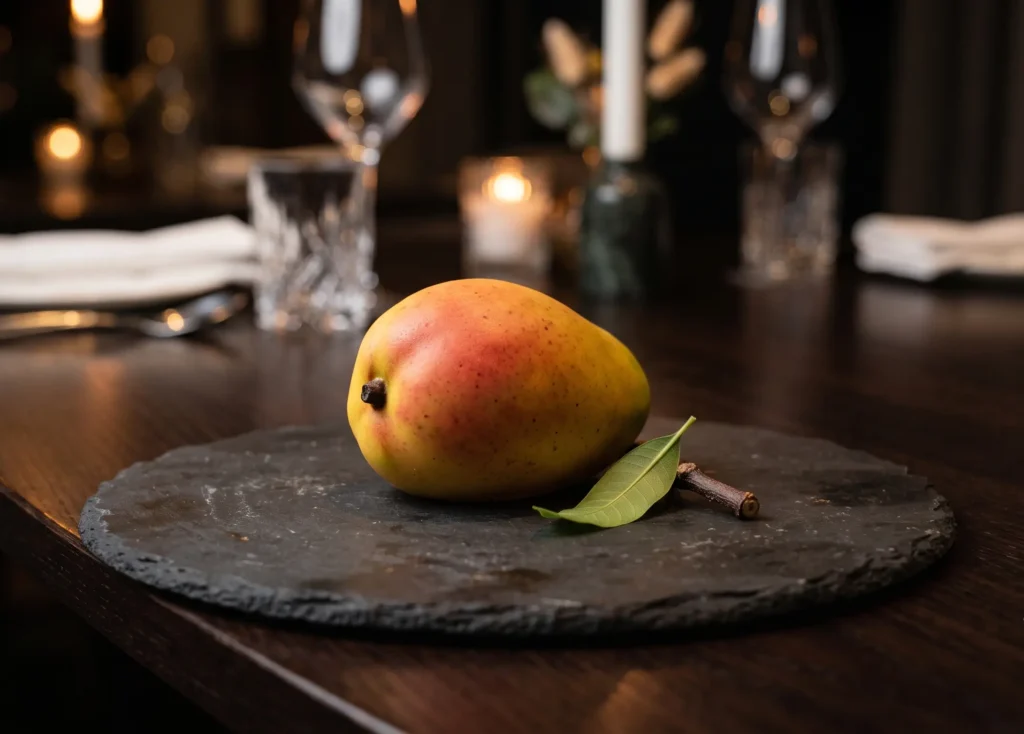
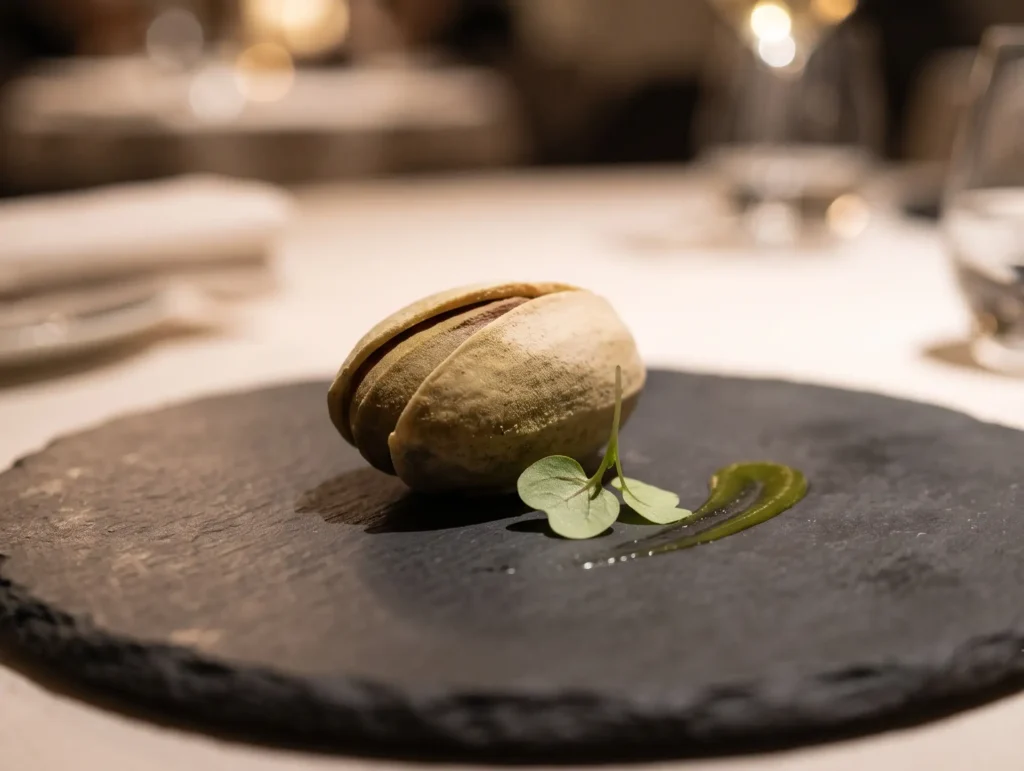
Lemon cake sits alongside sister flavours in the same trompe-l’œil format — mango, pistachio, and strawberry — giving buyers a coherent multi-fruit artisan dessert range from a single supplier relationship. All SKUs are available for private label, with full flexibility on packaging specification and multi-market labelling compliance.
Download the lemon cake catalogue for full product specifications, plating guidance, and carton data, or request a lemon cake quote directly for wholesale pricing, minimum order quantities, and private label enquiry.

Frequently Asked Questions: Lemon Cake
What is the best way to plate a lemon cake for fine dining service?
Plate on a plain, contrasting surface — matte slate, unglazed ceramic, or simple white china — with minimal garnish. A single edible leaf or a light brushstroke of citrus coulis is sufficient. Avoid busy or mirrored plates, which compete visually with the dessert.
Is lemon cake available for private label in Europe?
Yes. Lezza Foods produces lemon cake under private label for retail chains, HoReCa groups, hotel dining programmes, and wholesale distributors across Europe, with full flexibility on packaging specification and multi-market labelling compliance.
What allergens does lemon cake contain?
Lemon cake in the artisan trompe-l’œil format typically contains gluten (wheat), milk, eggs, and cocoa butter-based ingredients as regulated allergens under EU food labelling law. Always verify the full allergen declaration against the current product specification sheet from your supplier before listing.
What is a trompe-l’œil lemon cake?
A trompe-l’œil lemon cake is a pastry sculpted and coloured to look exactly like a real lemon, using a combination of citrus mousse, cremeux, and a tempered, naturally pigmented cocoa butter shell. The technique, whose name comes from the French for “deceive the eye,” was popularised in fine dining by pastry chef Cédric Grolet from 2016 onward.
How long does a lemon cake stay fresh once thawed?
Once thawed and plated, it typically remains visually and texturally stable for around 60–90 minutes at cool room temperature. In warmer service environments, operators should plate closer to the point of service to preserve the shell’s matte finish.
Where can I source lemon cake wholesale in Europe?
Lezza Foods BV supplies lemon cake across 20+ European countries from Mechelen, Belgium, in an individual 90g format suited to fine dining and premium retail, with full private label capability and current food safety certification.
Ready to Add Lemon Cake to Your Menu or Range?
Artisan lemon cake represents one of the most commercially compelling dessert additions available to European fine dining and premium retail right now — genuine pastry craftsmanship, universal citrus appeal, and a supply chain through an EU-based specialist manufacturer that makes fine-dining quality achievable at commercial scale.
Lezza Foods has been producing premium Mediterranean and Anatolian desserts for European markets since 2013. The lemon cake is EU-sourced, consistent, and ready for private label development across fine dining, hotel, and premium retail channels.
Browse the full lemon cake range on the Lezza Foods website, download the lemon cake catalogue for complete product specifications, or request a lemon cake quote for wholesale pricing and private label enquiry.