Artisan Cake Supplier: What European Buyers Need to Know Before Sourcing
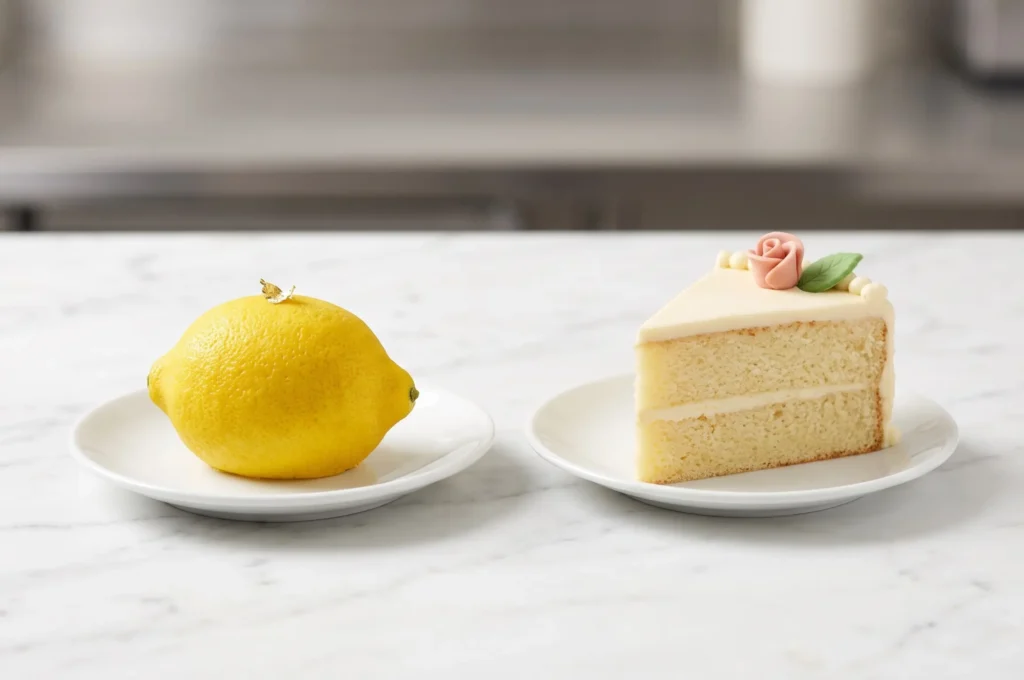
An artisan cake supplier is a producer that makes cakes using hands-on, small-batch techniques rather than full industrial automation — but the term covers two genuinely different supplier categories. One is a general handmade bakery wholesaler supplying birthday and celebration cakes. The other is a specialist producer making highly technical formats such as trompe-l’œil fruit-shaped desserts for fine dining. Knowing which one you actually need determines who is worth contacting.
What “Artisan Cake” Actually Means — And Why It Matters for Sourcing
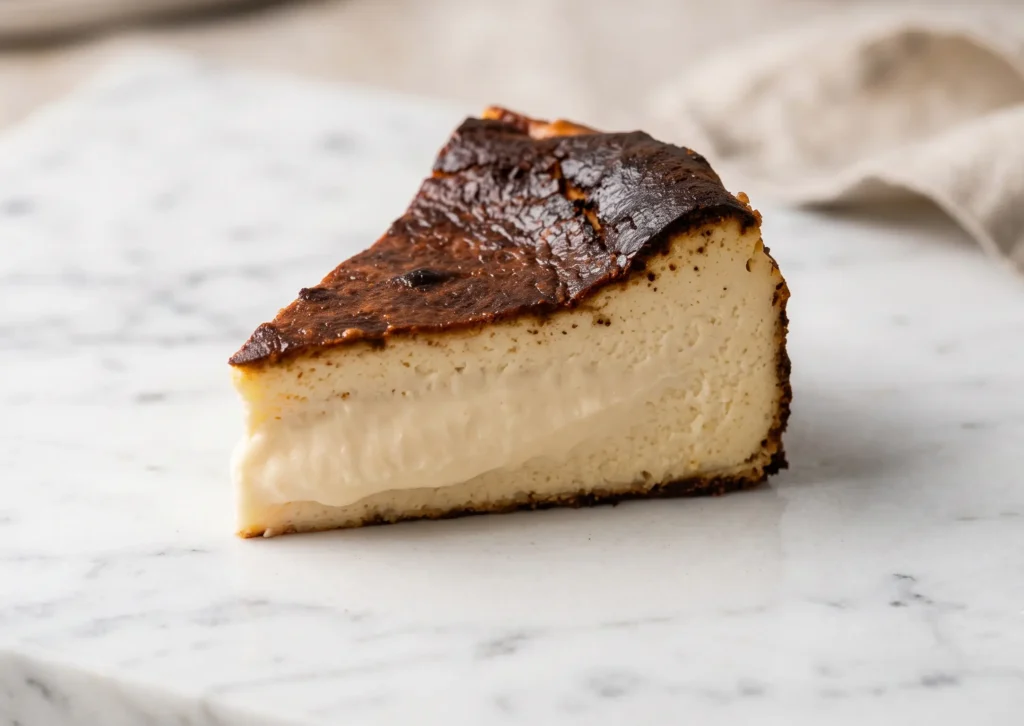
“Artisan” describes a production method, not a fixed product category. It signals that a cake is made with skilled manual labour, small-batch attention, and traditional technique rather than fully automated mass production — but it says nothing about what kind of cake comes out the other end.
This ambiguity has real sourcing consequences. A search for an artisan cake supplier in Europe returns everything from general gourmet food wholesalers with a small cake subcategory buried alongside cheese, charcuterie, and wine, to highly specialised producers whose entire output is a single technical format. Both legitimately call themselves “artisan,” but a buyer looking for one will waste time evaluating the other.
Before requesting samples or quotes, it is worth being precise about which artisan cake category actually matches the commercial need — a celebration cake range for a café counter, or a technically demanding, visually distinctive dessert for a fine-dining menu.
Two Very Different Supplier Categories
European buyers researching an artisan cake supplier typically encounter one of two distinct supplier profiles, and the differences between them are significant enough to change the entire evaluation process.
| General Artisan/Handmade Bakery Wholesaler | Specialist Fine-Dining Cake Producer | |
|---|---|---|
| Typical product | Celebration cakes, everyday bakery, decorated cakes | Technically specific formats (e.g. trompe-l’œil fruit desserts) |
| Production scale | Often small, regional, limited delivery radius | Structured for wider EU distribution and private label |
| Typical buyer | Cafés, independent retailers, event caterers | Fine dining, hotel restaurants, premium retail, private label brands |
| Certification depth | Varies widely, often HACCP only | Usually BRC/IFS Food expected for retail/hotel supply |
| Range breadth | Broad but shallow — many occasion cakes | Narrow but deep — a small set of highly refined formats |
Neither category is inherently “better” — the right choice depends entirely on what the buyer is trying to put on a menu or a shelf. A café sourcing everyday celebration cakes does not need a specialist trompe-l’œil producer, and a fine-dining venue looking for a signature dessert will not find what it needs from a general gourmet food wholesaler with cakes as a minor product line.
What to Evaluate in a Trompe-l’Œil Cake Supplier
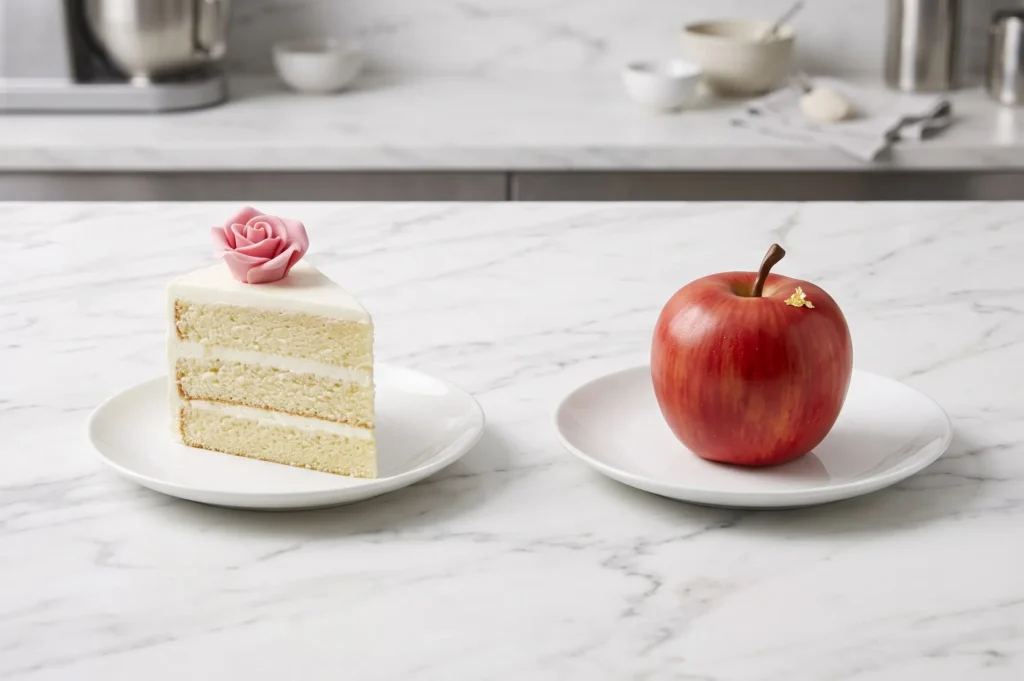
For buyers specifically sourcing fruit-shaped, trompe-l’œil style artisan cakes, evaluation criteria differ substantially from a standard bakery wholesaler assessment, because the entire commercial value of the product depends on visual precision rather than flavour alone.
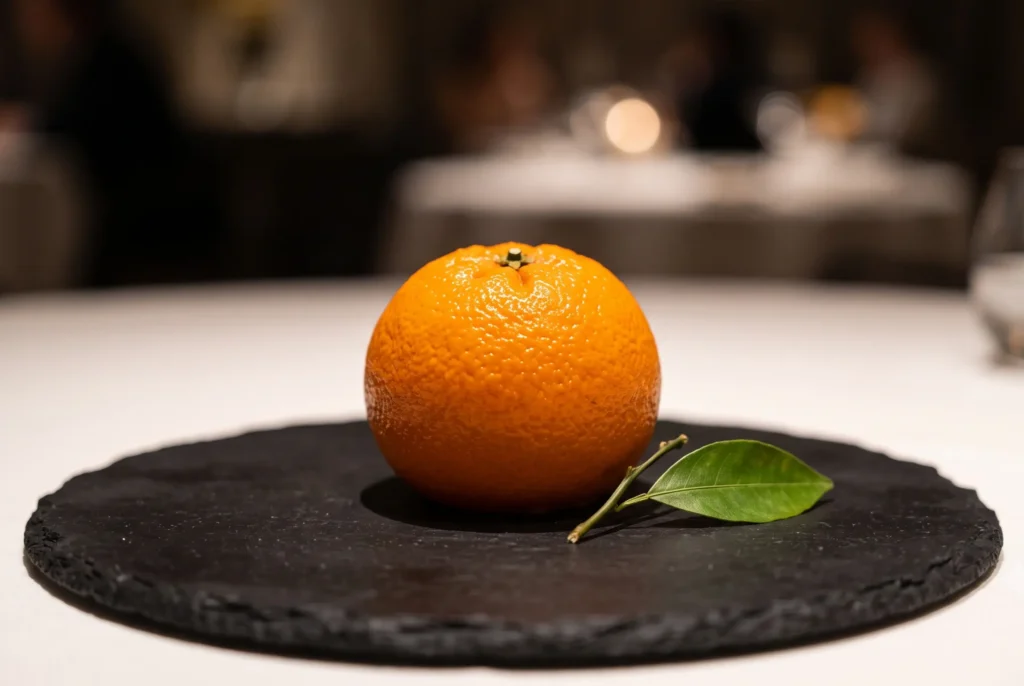
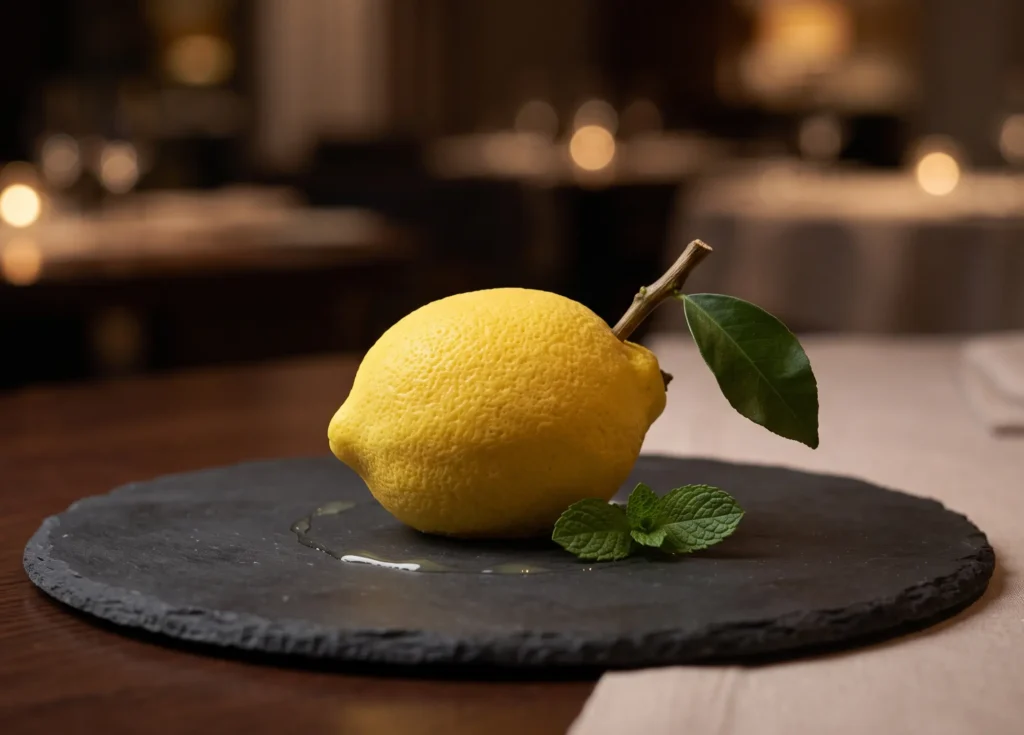
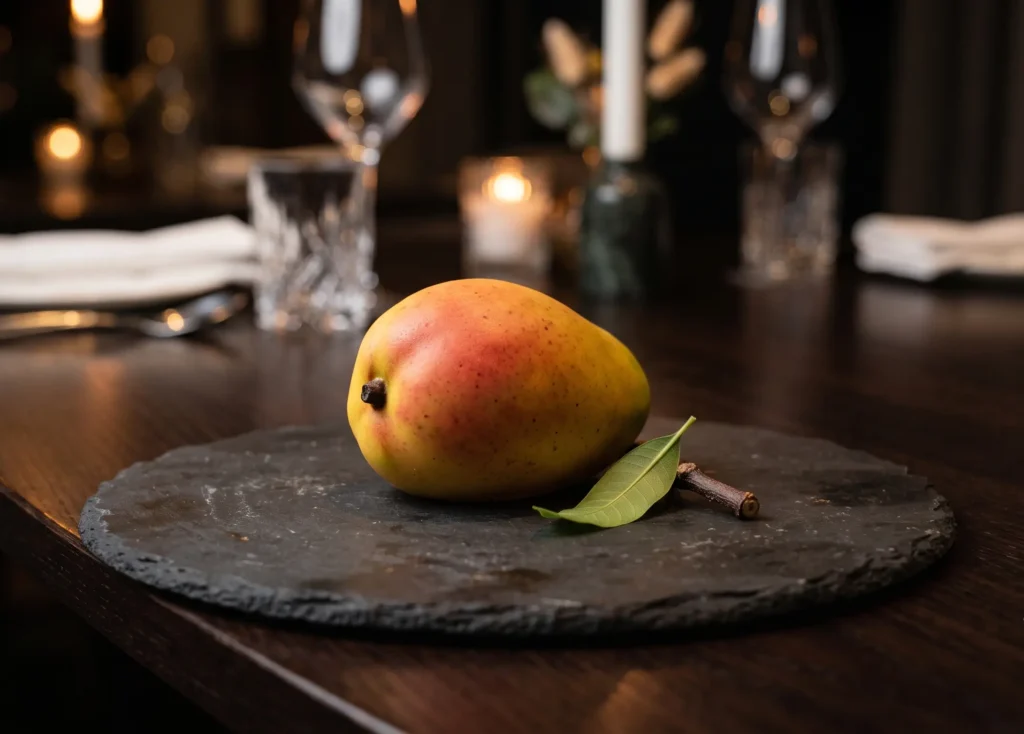
Shell realism is the first and most revealing test. A correctly produced trompe-l’œil cake uses a tempered cocoa butter shell coloured with natural pigments and airbrushed onto the frozen dessert to reproduce the exact skin tone and matte finish of the real fruit — a technique refined in Paris from 2016 onward by pastry chef Cédric Grolet at Le Meurice, and now standard across the specialist producers who supply this category commercially. A shell that looks flat, glossy, or uniformly coloured has not achieved this standard.
Certification is the second checkpoint. Any supplier producing for European retail chains or multi-site hotel groups should hold current BRC Global Standard for Food Safety or IFS Food certification, not HACCP compliance alone — request the certificate directly and verify the scope covers frozen pastry production.
Allergen documentation matters equally. These desserts typically contain gluten, milk, eggs, and — depending on the flavour, such as pistachio — tree nuts, all regulated under EU food information law. Full compliance with EU Regulation 2021/382 on allergen labelling is mandatory for retail and food service listings across every EU market.
Range breadth is the final practical consideration. A supplier offering a genuine multi-flavour range — rather than a single showcase piece — demonstrates the production maturity needed for a reliable, ongoing commercial relationship.
The Lezza Foods Range
Lezza Foods BV has supplied premium Mediterranean and Anatolian food products to European retail, HoReCa, and private label buyers since 2013, operating from Mechelen, Belgium with active distribution across 20+ European countries and more than 20 private label brands in current production.
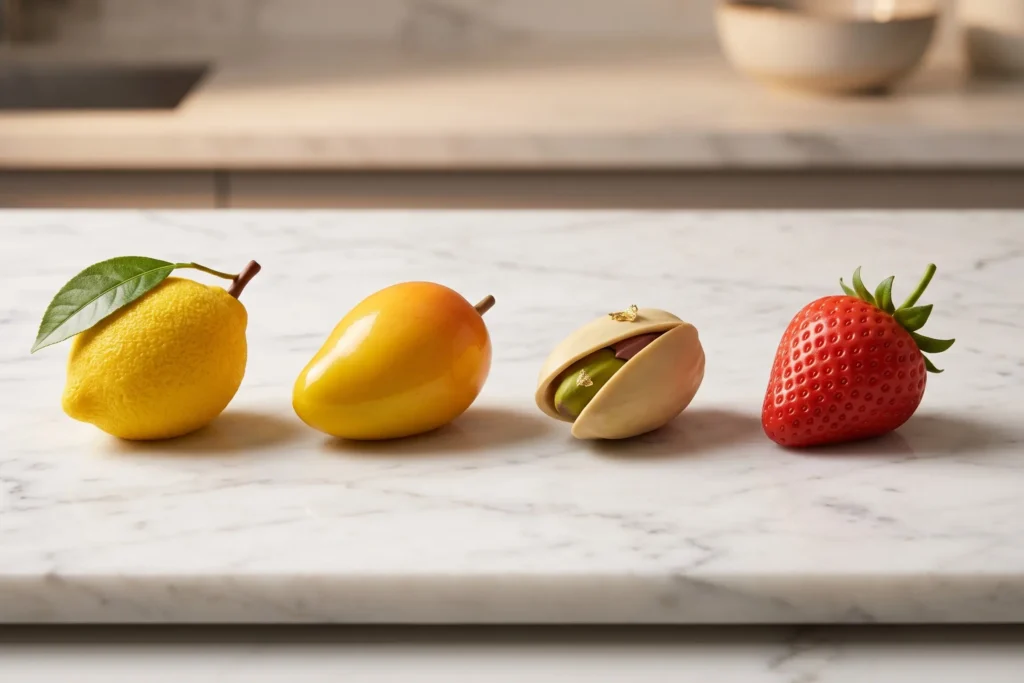
As an artisan cake supplier, Lezza Foods produces a four-flavour trompe-l’œil range — lemon, mango, pistachio, and strawberry — each individually portioned at 90g and sculpted to replicate its real-fruit counterpart. The pistachio variety draws directly on the company’s existing pistachio expertise from its baklava range, a connection that a general-purpose producer entering the category cold cannot replicate.
The client list for Lezza Foods’ broader product range includes ALDI, Kaufland, and Hanos. All artisan cake SKUs are available for private label, with packaging specification and multi-market labelling handled as part of the supply agreement.
Frequently Asked Questions
What does “artisan cake supplier” mean?
An artisan cake supplier is a producer using hands-on, small-batch methods rather than full industrial automation. The term does not specify what kind of cake is produced — it can refer to a general celebration bakery or to a highly specialised fine-dining dessert producer, so the product range needs checking directly.
Is an artisan cake supplier the same as a wholesale bakery?
Not necessarily. A wholesale bakery typically supplies everyday and celebration cakes across a broad range at scale, while a specialist artisan cake supplier — particularly in categories like trompe-l’œil desserts — usually offers a narrower, more technically refined range built for fine dining or premium retail rather than general bakery volume.
What certifications should an artisan cake supplier have?
For supply to European retail chains or hotel groups, BRC Global Standard for Food Safety or IFS Food certification is the standard expectation, with HACCP as the baseline for any food production. Always request the current certificate and confirm its scope covers the specific product category being sourced.
Can an artisan cake supplier produce fruit-shaped desserts?
Only specialist producers who work in the trompe-l’œil format can reliably produce fruit-shaped desserts to a convincing standard — this requires precision moulds, natural pigment expertise, and layered mousse construction that a general bakery wholesaler typically does not have in its production process.
Is private label available from an artisan cake supplier?
Some specialist suppliers offer private label development, including packaging specification and multi-market labelling compliance. Lezza Foods, for example, supplies its full trompe-l’œil artisan cake range under private label for retail chains and HoReCa groups across Europe.
Where can I source an artisan cake supplier in Europe?
Lezza Foods BV, based in Mechelen, Belgium, has supplied premium Mediterranean and Anatolian desserts — including a four-flavour trompe-l’œil artisan cake range — to European retail, HoReCa, and private label buyers since 2013, with distribution across 20+ European countries.
Browse the artisan cake supplier range on the Lezza Foods website, or request a quote for wholesale pricing and private label enquiry.