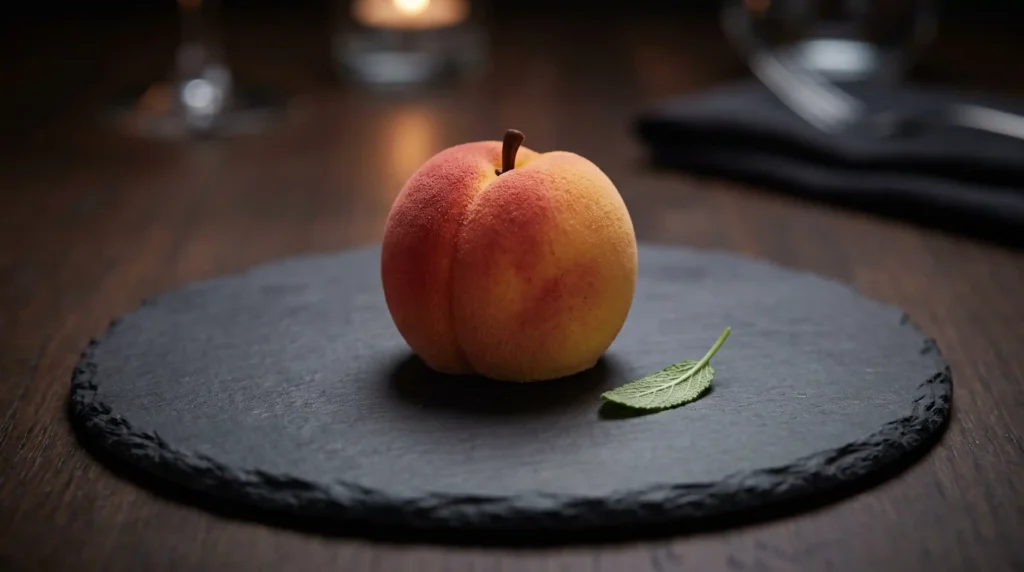
Viral Mousse Cake: How the Layered Construction Actually Works
A viral mousse cake is a single-portion dessert built from several distinct internal layers — a base, a fruit centre, a mousse body, and an outer shell — assembled and frozen in a specific sequence rather than baked as a single piece. This layered construction is what allows the finished dessert to hold a precise fruit shape while still delivering a genuinely fruit-forward flavour with each bite. Understanding how the layers actually go together explains both the format’s visual appeal and why it remains difficult to produce consistently at scale.
The Layered Construction Behind a Mousse Cake
Production starts with a thin base — typically a sponge or biscuit disc — that sits at the bottom of the finished dessert and gives it structural support once unmoulded. Above that sits a fruit centre, usually a fruit purée or gelée insert, which delivers a concentrated burst of the actual fruit flavour at the core of the dessert.
Surrounding that centre is the mousse body itself — a light, aerated fruit or complementary-flavour mousse piped into a silicone mould shaped precisely like the target fruit, then frozen solid so it holds the exact form of the mould once released. Once unmoulded and still frozen, the dessert receives its outer shell: typically tempered cocoa butter, coloured with natural or food-safe pigments, applied by spray-gun airbrushing in multiple thin coats to build up the correct colour depth and surface finish. Some producers apply an additional glossy mirror glaze over this shell for a bright, polished look; others leave the cocoa butter finish matte to more closely replicate the natural texture of real fruit skin.
Each of these stages — piping, freezing, unmoulding, airbrushing — must happen in the correct sequence and at the correct temperature, since the mousse needs to be fully frozen before it can be released from the mould without losing its shape, and the shell needs to be applied to a cold, dry surface to set correctly.
Why Mousse Cake Construction Is Hard to Scale
The complexity of this layered process is precisely what makes mousse cake production difficult to standardise at commercial volume, and it is worth understanding why before evaluating a potential producer.
Each layer requires its own preparation, timing, and equipment — mousse piping, blast freezing, precision unmoulding, and multi-coat airbrushing cannot be compressed into a single production step the way a baked sponge cake can. Small-batch, artisanal kitchens can manage this complexity for limited daily volumes, but scaling it to consistent wholesale output — where every carton needs to match the same shell finish, mousse texture, and portion weight — requires dedicated mould tooling, temperature-controlled production lines, and airbrushing equipment calibrated for repeatable colour application.
This is the core reason the category has developed two distinct types of supplier: small kitchens producing limited artisanal batches, and specialist wholesale producers who have invested in the equipment and process control needed to replicate the same layered construction consistently across thousands of units. For a European buyer, the practical implication is that production consistency — not just the recipe — is what separates a reliable wholesale producer from one who cannot sustain quality at volume. Request samples from at least two separate production batches to confirm the shell finish, mousse texture, and portion weight are genuinely consistent, and verify that the producer holds current BRC or IFS Food certification with a scope covering frozen pastry production, along with full allergen documentation under EU food information law.
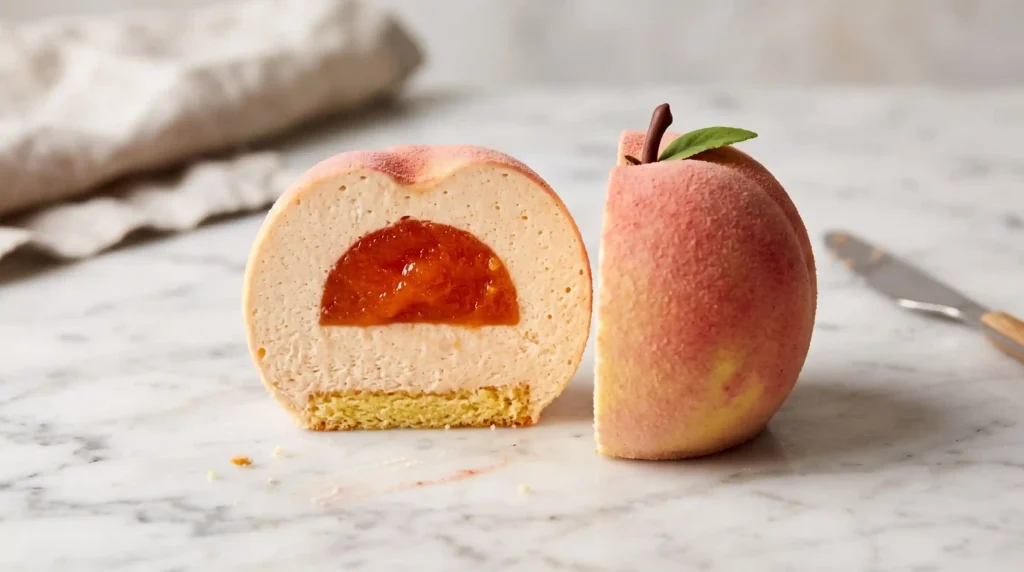
Image 1 File name:
viral-mousse-cake-layered-construction.jpgAlt text: viral mousse cake layered construction showing sponge, fruit centre, mousse and shell Title: Viral Mousse Cake Construction — Lezza Foods Description: Lezza Foods guide to the viral mousse cake layered construction process — sponge base, fruit centre, mousse body and cocoa butter shell. Caption: (empty) Prompt: A professional food photography image showing a cross-section of a fruit-shaped mousse cake, revealing the layered construction — thin sponge base, fruit purée centre, aerated mousse body, and an outer cocoa butter shell. White marble surface. Soft directional studio lighting. No text, no logos, no people. Landscape 16:9. High resolution. Canvas: add 2cm solid white padding on left and right sides only.
The Lezza Foods Range
Lezza Foods BV has supplied premium Mediterranean and Anatolian food products to European retail, HoReCa, and private label buyers since 2013, operating from Mechelen, Belgium with active distribution across 20+ European countries and more than 20 private label brands in current production.
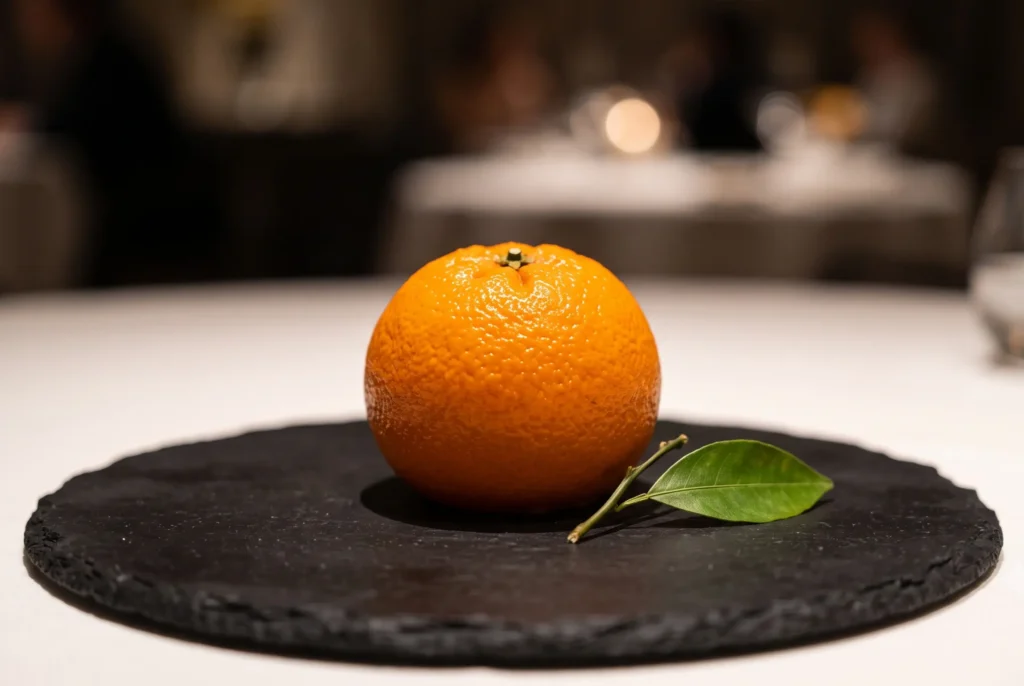
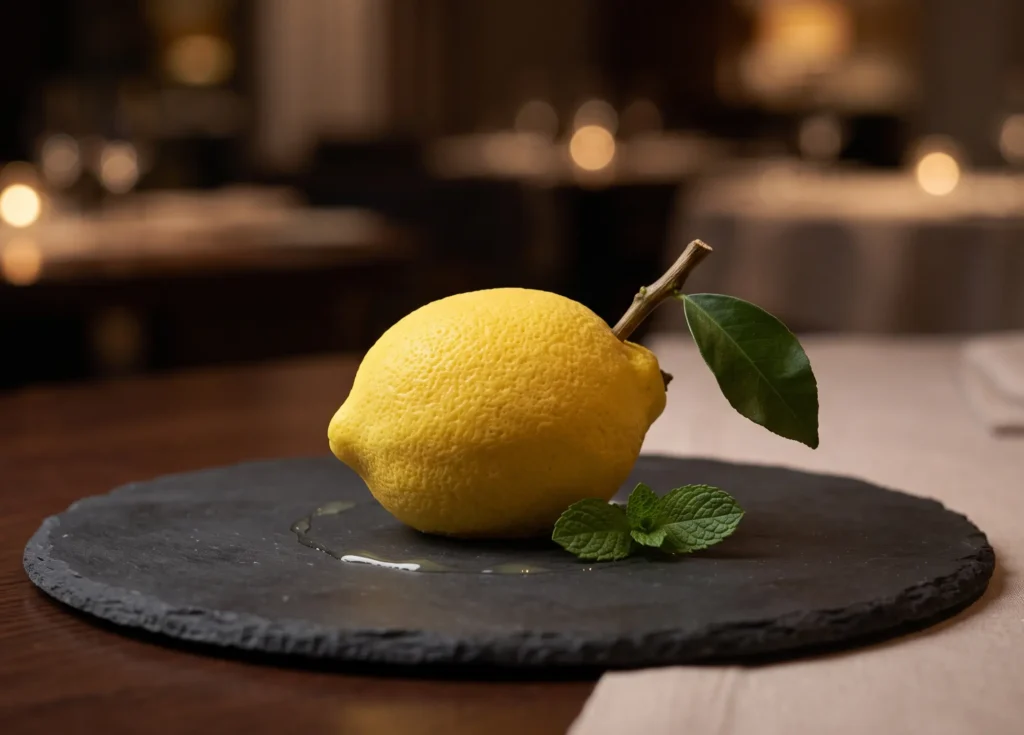
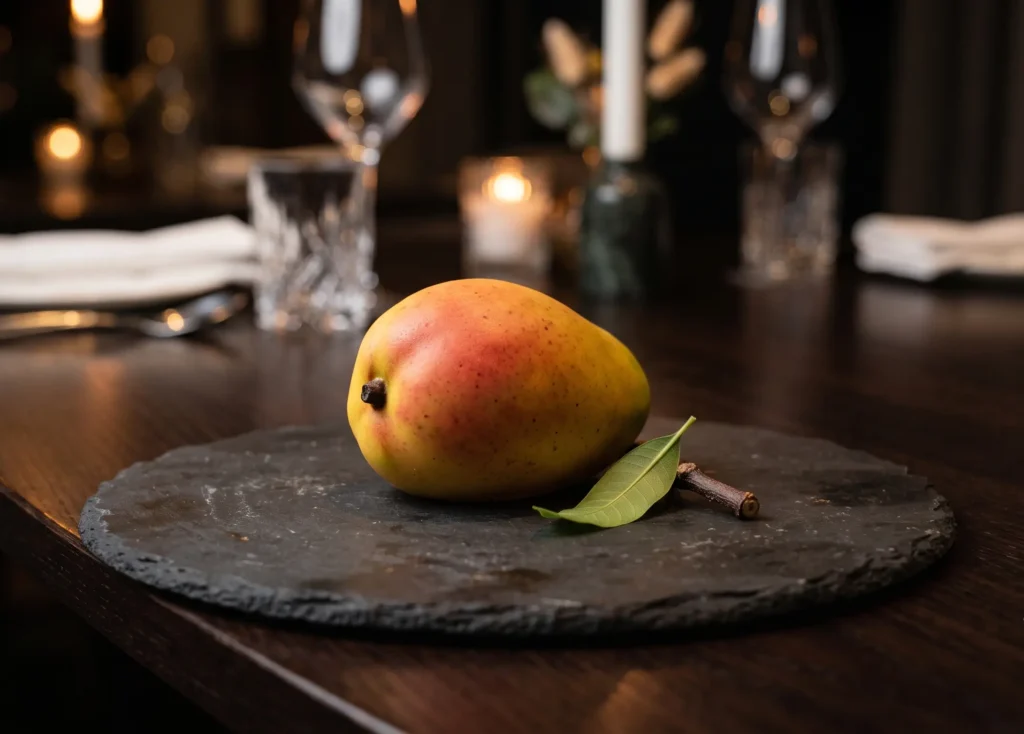
Lezza Foods produces a four-flavour mousse cake range — lemon, mango, pistachio, and strawberry — each built through the same layered process and individually portioned at 90g, with a matte, naturally pigmented shell finished to replicate its real-fruit counterpart. The pistachio variety draws on Lezza Foods’ established pistachio expertise from its baklava range, giving that specific SKU a production heritage that a producer entering the category without prior pistachio dessert experience would not have. All SKUs are available for private label, with packaging specification and multi-market labelling compliance handled as part of the supply agreement.
Frequently Asked Questions
What is a viral mousse cake made of?
A viral mousse cake is built from several layers: a thin sponge or biscuit base, a fruit purée or gelée centre, an aerated fruit mousse body moulded into the target fruit shape, and an outer cocoa butter shell coloured with natural pigments.
How is a mousse cake constructed?
The mousse is piped into a fruit-shaped silicone mould and frozen solid, then unmoulded while still frozen. The outer shell is applied afterward, typically by airbrushing tempered, coloured cocoa butter onto the cold surface in multiple thin coats to build up the correct colour and finish.
Why is mousse cake production hard to scale?
Each stage — piping, blast freezing, unmoulding, and multi-coat airbrushing — requires precise timing, temperature control, and dedicated equipment. Replicating the same shell finish, mousse texture, and portion weight consistently across large wholesale volumes is significantly harder than baking a standard sponge cake.
How do I check if a mousse cake producer can maintain consistency at scale?
Request samples from at least two separate production batches and compare shell finish, mousse texture, and portion weight directly. Consistency across batches, not just quality of a single sample, indicates whether a producer has genuinely industrialised the layered construction process.
Is private label available for mousse cake?
Some specialist producers offer private label development for the format, including packaging specification and multi-market labelling compliance. Lezza Foods, for example, supplies its four-flavour mousse cake range under private label for retail chains and HoReCa groups across Europe.
Where can I source viral mousse cake wholesale in Europe?
Lezza Foods BV, based in Mechelen, Belgium, has supplied premium Mediterranean and Anatolian desserts — including a four-flavour mousse cake range — to European retail, HoReCa, and private label buyers since 2013, with distribution across 20+ European countries.
Browse the viral mousse cake range on the Lezza Foods website, or request a quote for wholesale pricing and private label enquiry.